Senate of Priests
The Presbyteral Council — also called the Senate of Priests — is the representative body of the diocese's clergy that assists the Bishop in governance. Governed by Canons 495–501 of the Code of Canon Law.
The Senate of Priests — Presbyteral Council
The Senate of Priests, canonically known as the Presbyteral Council, is one of the central consultative bodies in every Catholic diocese. Rooted in the Second Vatican Council's vision of collegial governance, it represents the entirety of the diocesan clergy and assists the Bishop in his shepherding of the particular Church. Canons 495–501 of the Code of Canon Law (1983) define its nature, composition, and functions.
Canonical Foundation
"In each diocese a presbyteral council is to be established, that is, a group of priests which, representing the presbyterium, is to be like a senate of the bishop and which assists the bishop in the governance of the diocese according to the norm of law to promote as much as possible the pastoral good of the portion of the people of God entrusted to him."
— Code of Canon Law, Canon 495 §1
Composition and Membership
According to Canon 497, membership in the Presbyteral Council is constituted in three ways:
Freely elected members: About half of the council members are freely elected by the priests themselves according to the statutes.
Ex officio members: Certain priests hold membership by reason of the office entrusted to them, as determined by the statutes.
Appointed members: The Diocesan Bishop is freely entitled to appoint other priests to the council.
According to Canon 498, the right of active and passive election belongs to:
All secular priests incardinated in the diocese.
Secular priests not incardinated in the diocese and priests who are members of some religious institute or society of apostolic life, who reside in the diocese and exercise some office for the good of the diocese.
To the extent that the statutes provide for it, other priests who have a domicile or quasi-domicile in the diocese.
Canon 499 further requires that the manner of election must ensure that priests of the presbyterium are well-represented, "taking into account especially the different ministries and various regions of the diocese."
Statutes and Governance
Under Canon 496, the presbyteral council must have its own statutes approved by the diocesan bishop, attentive to the norms issued by the conference of bishops. These statutes govern its internal life, election procedures, term lengths, and the method of enacting decisions.
Role and Authority
Canon 500 defines the operational relationship between the Presbytral Council and the diocesan Bishop:
It is for the diocesan bishop to convoke the council, preside over it, and determine the questions to be treated.
The council possesses only a consultative vote. The bishop must hear it in affairs of greater importance but needs its consent only in cases expressly defined by law.
The presbyteral council cannot act without the Bishop, and only he may make public what has been established.
While its voice is consultative, the Code obliges the Bishop to genuinely hear the council in important matters. This ensures that the voice of the presbyterium shapes the pastoral direction of the diocese.
Term of Office
According to Canon 501, members of the presbyteral council serve for a term determined in the statutes. The entire council or some part of it must be renewed within five years. Continuity is preserved: the council's functions continue until the new council has been established.
Dissolution and Vacancy
When a see is vacant (Canon 501 §2): The presbyteral council ceases and the College of Consultors fulfills its functions. The new bishop must establish it anew within a year of taking possession.
Dissolution by the Bishop (Canon 501 §3): If the council does not fulfill its function or gravely abuses it, the bishop—after consulting the metropolitan—may dissolve it, but must reconstitute it within a year.
Relationship with the College of Consultors
The Presbyteral Council and the College of Consultors are closely linked. The College of Consultors is drawn from among the members of the Presbyteral Council (Canon 502 §1). This organic connection ensures that the consultors are already known to and trusted by the presbyterium. When the see is vacant or impeded, the College of Consultors steps in to fulfill the functions of the Presbyteral Council.
Theological Significance
The Senate of Priests embodies the collegial spirit of Vatican II, particularly the vision set forth in the Decree Presbyterorum Ordinis (on the ministry and life of priests). All priests share in the one priesthood of Christ and, through the Presbyteral Council, collaborate with the Bishop in co-responsibility for the particular Church. It is a visible expression of the communion (koinonia) that binds the Bishop and his presbyterium together in the service of God's people.
Officials
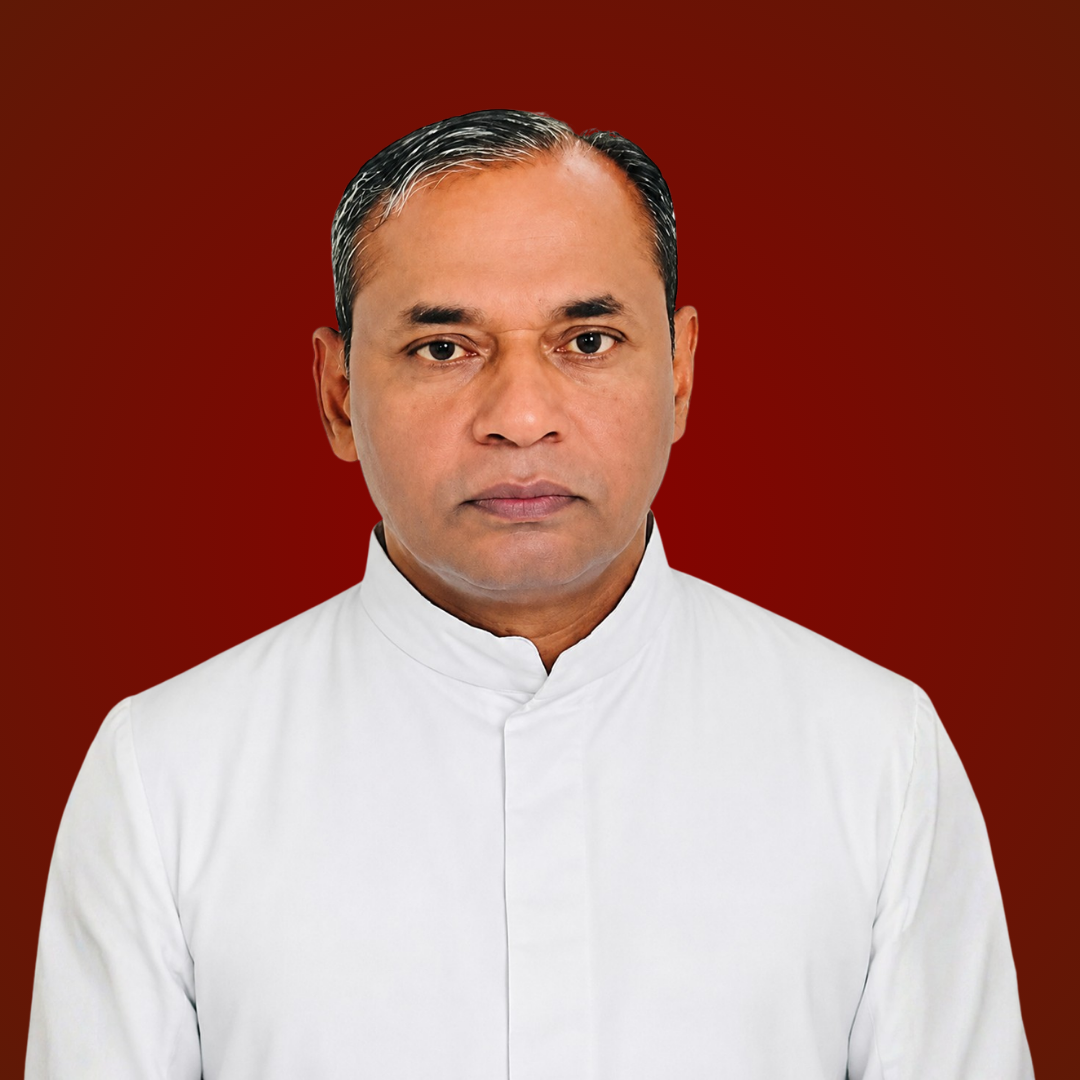
Rev. Dr. Josey Kandanattuthara
Vicar General
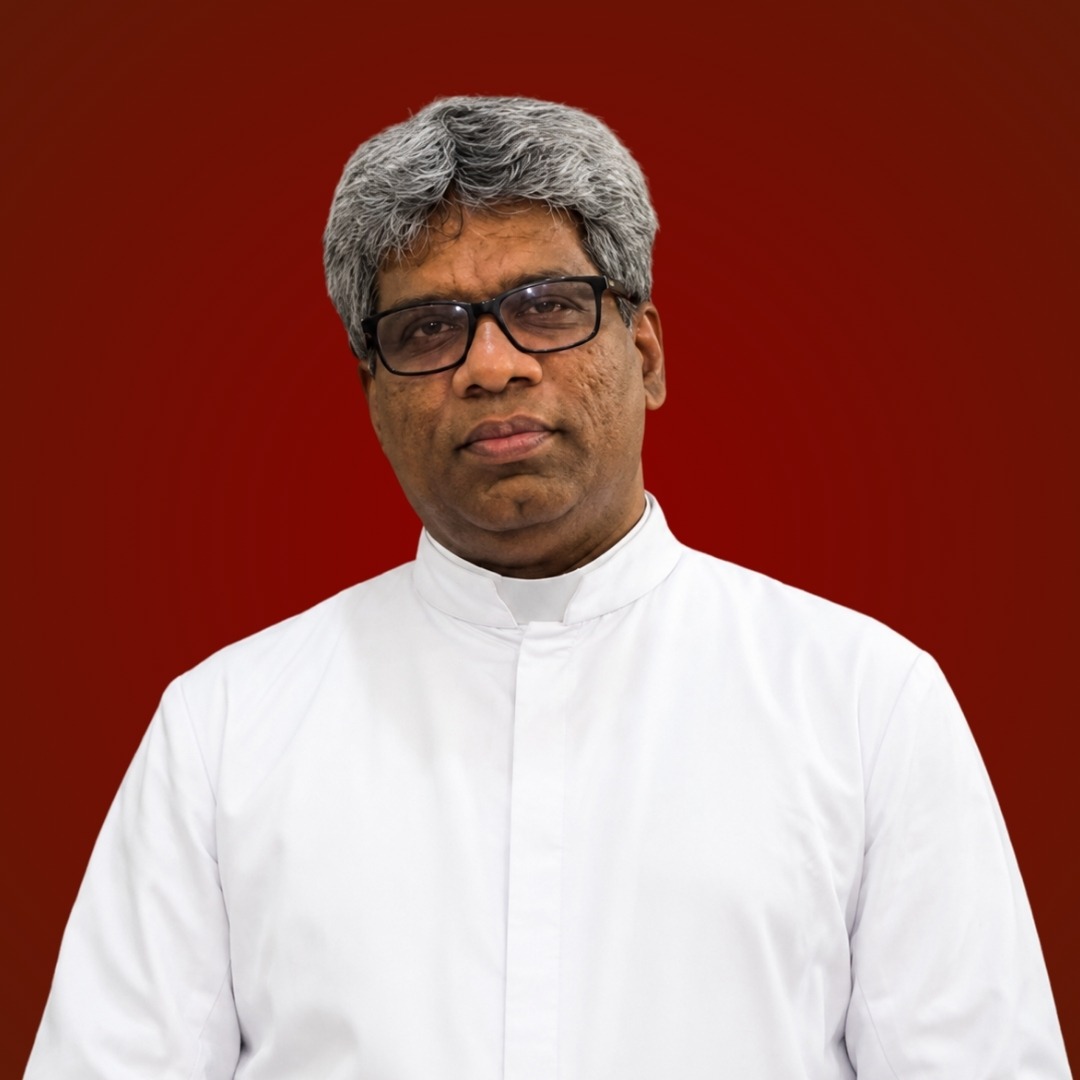
Rev. DDr. Johney Xavier Puthukkattu
Chancellor
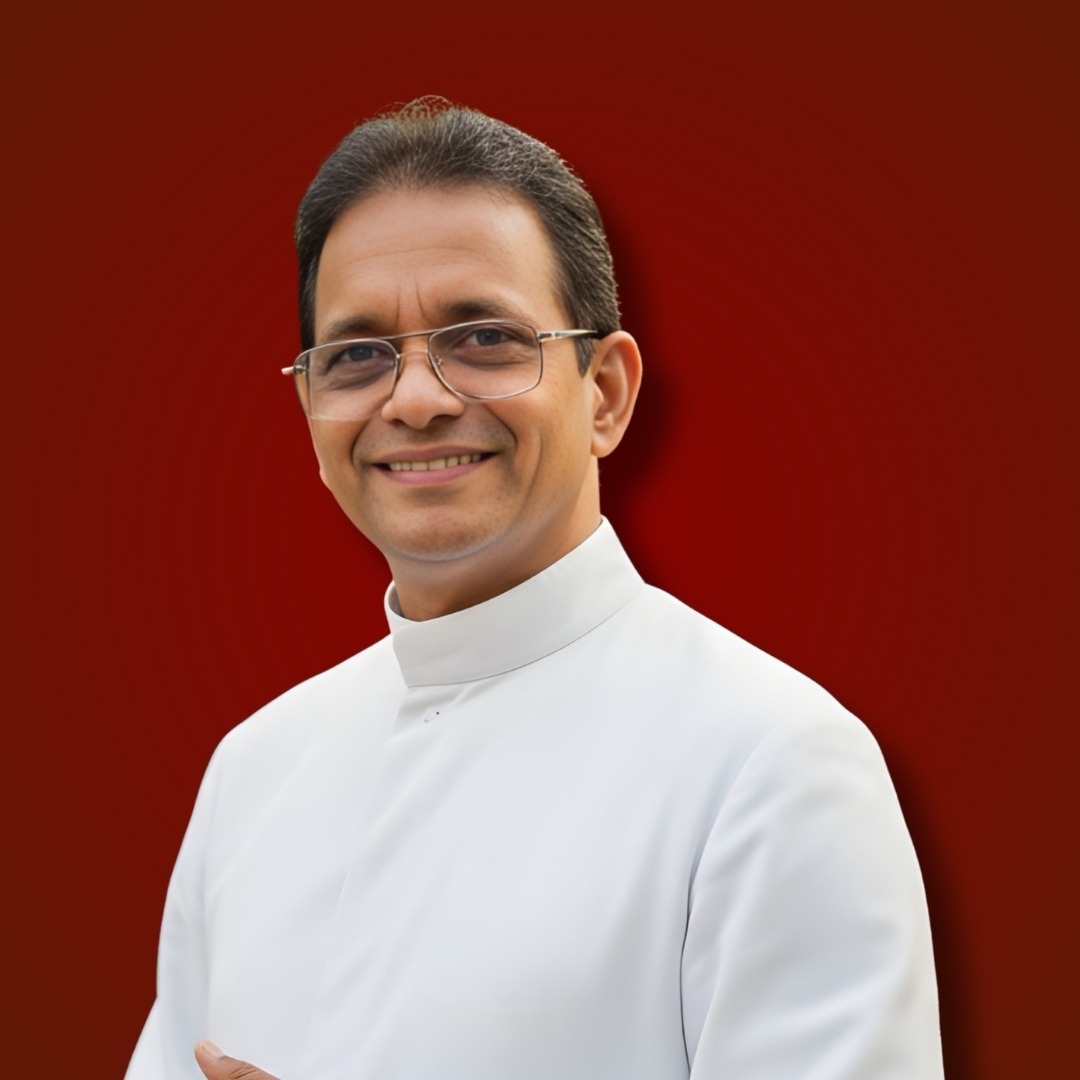
Rev. Fr. Francis Xavier Kalathiveettil
Episcopal Vicar
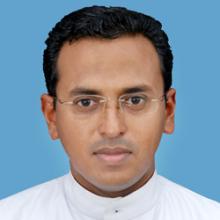
Rev. Fr. Maxon Kuttikkatt
Procurator
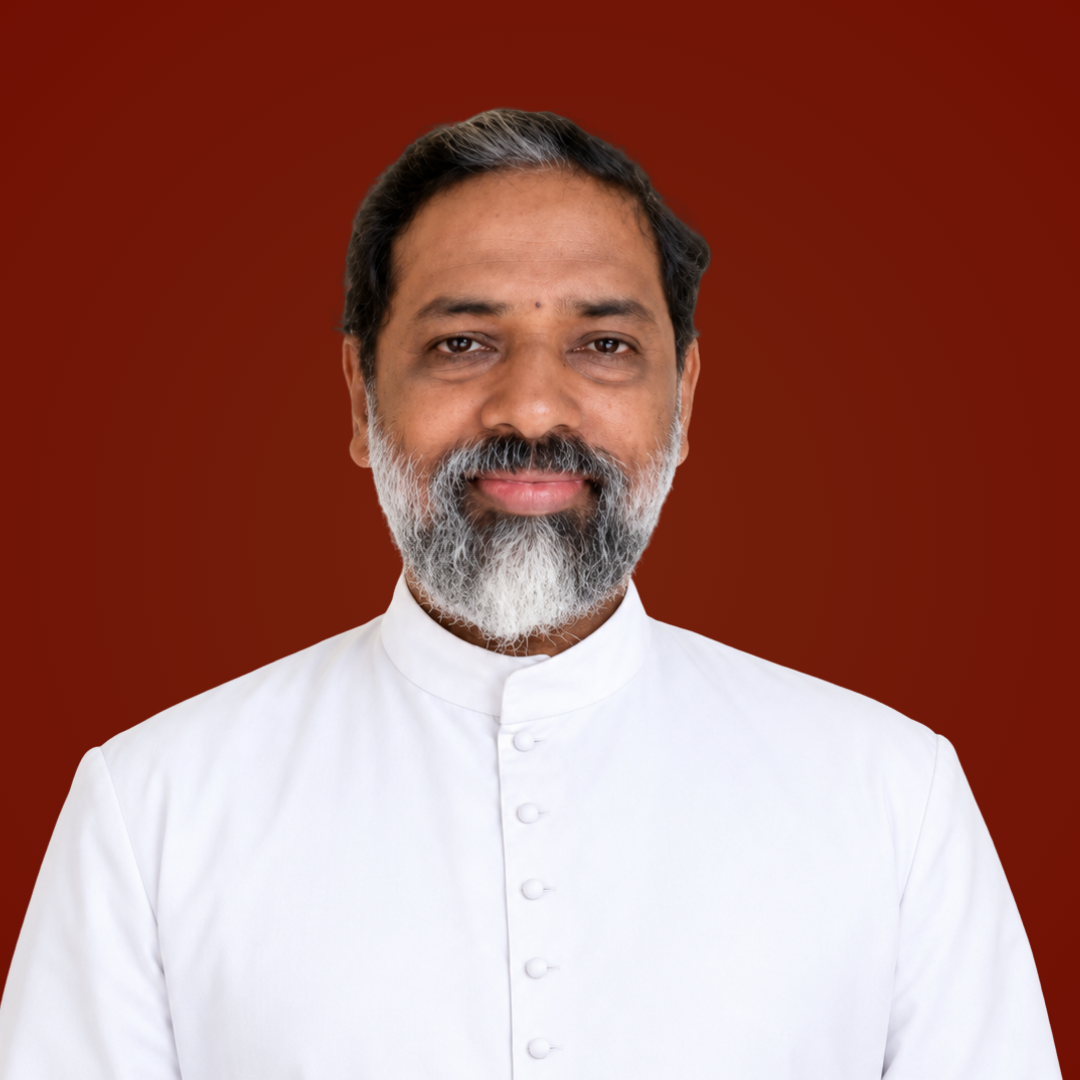
Rev. Msgr. Shaiju Pariyathuchery
Forane Vicar - Fortkochi
Rev. Dr. Raphy Pariathusery
Forane Vicar - Aroor
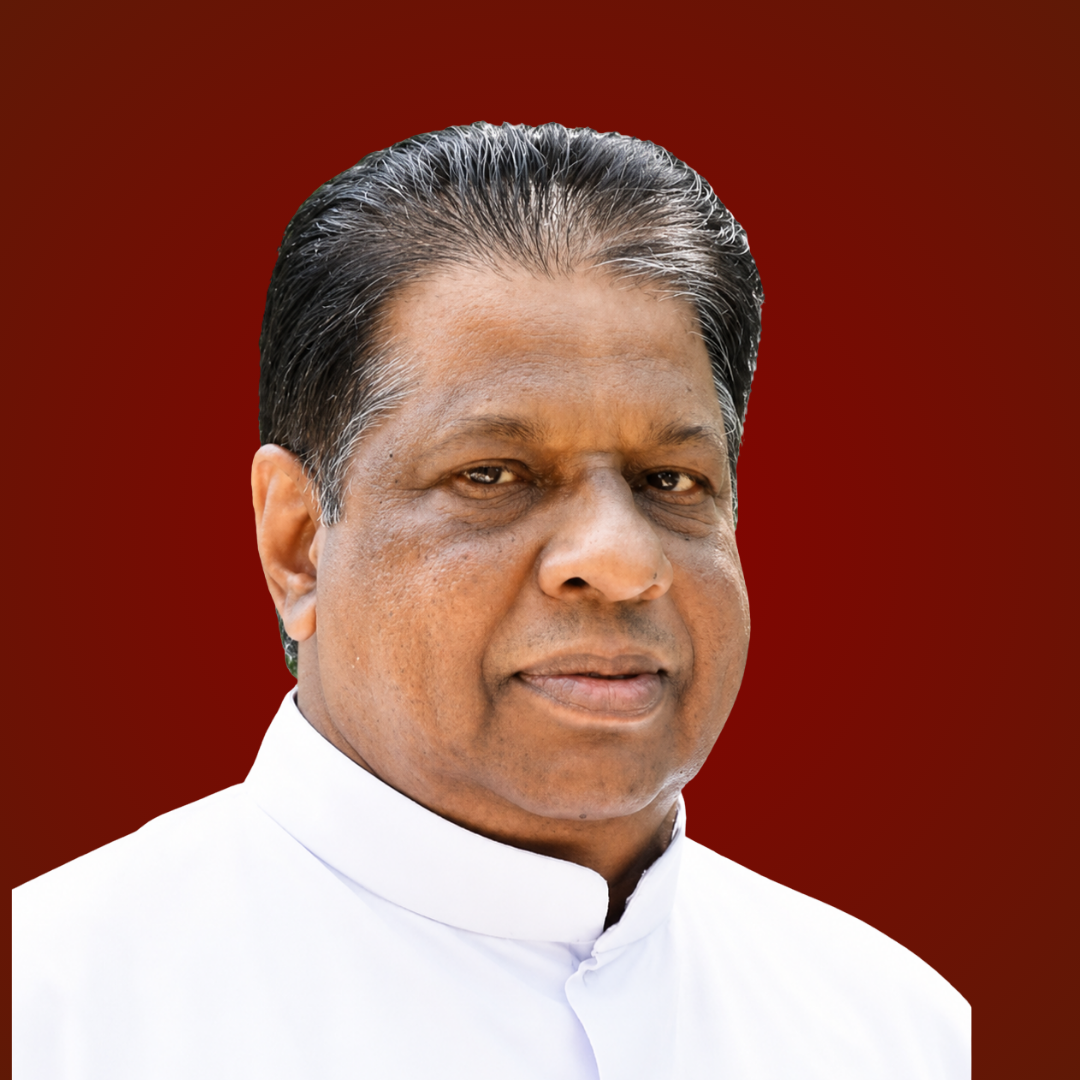
Rev. Fr. Joppy Koottumkal
Forane Vicar - Edakochi
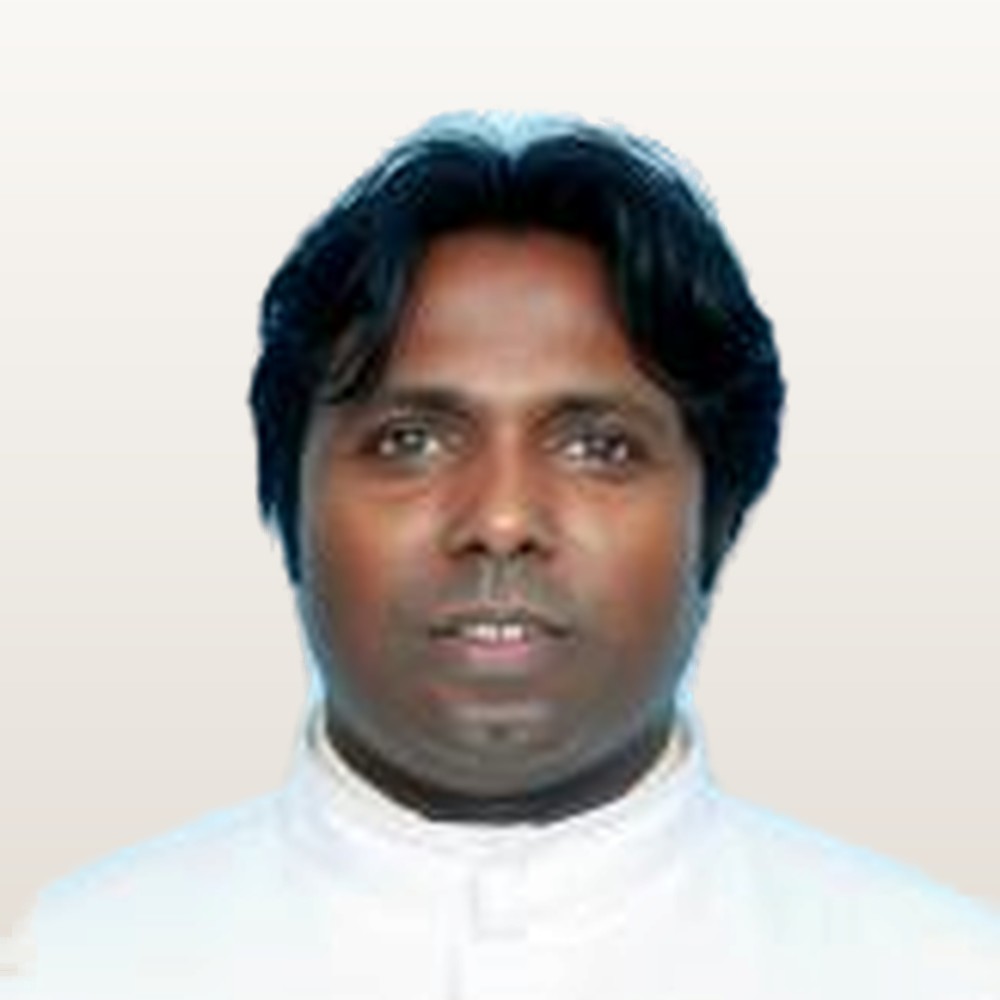
Rev. Fr. Prasad Kandathiparambil
Forane Vicar - Thankey
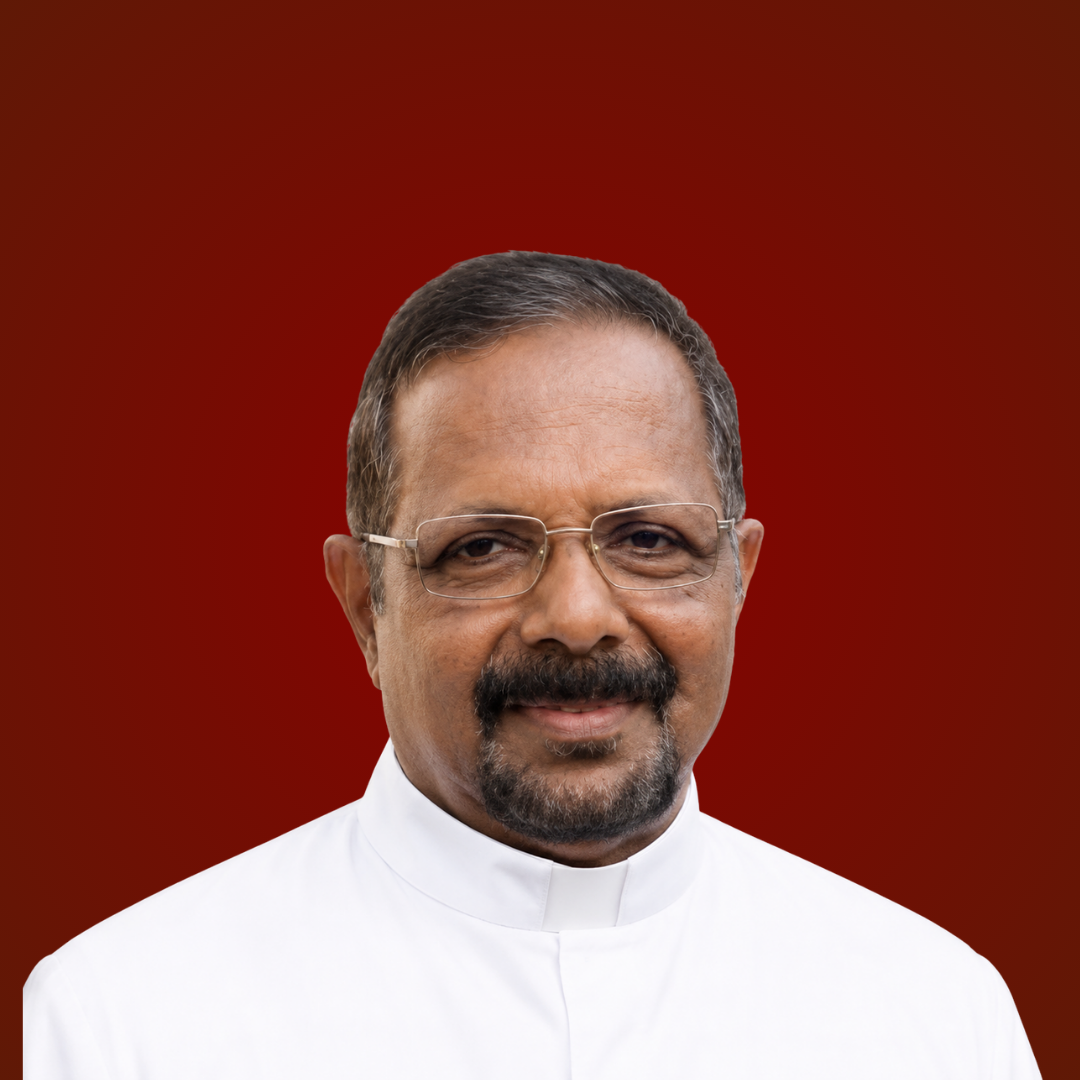
Rev. Fr. Joppan (Joseph) Andysseril
Forane Vicar - Kannamali
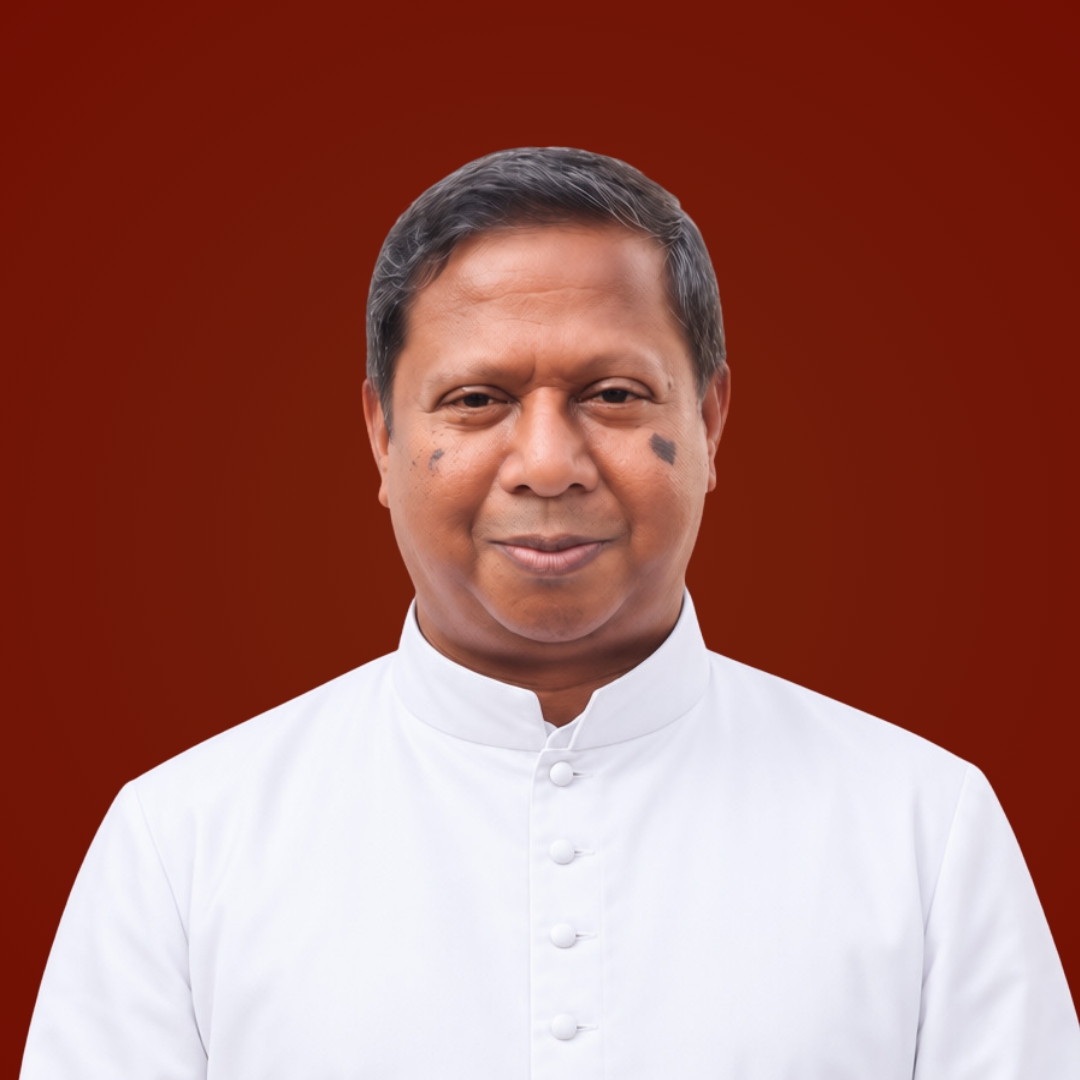
Rev. Fr. Sebastian Puthenpurakal
Forane Vicar - Kumbalanghi
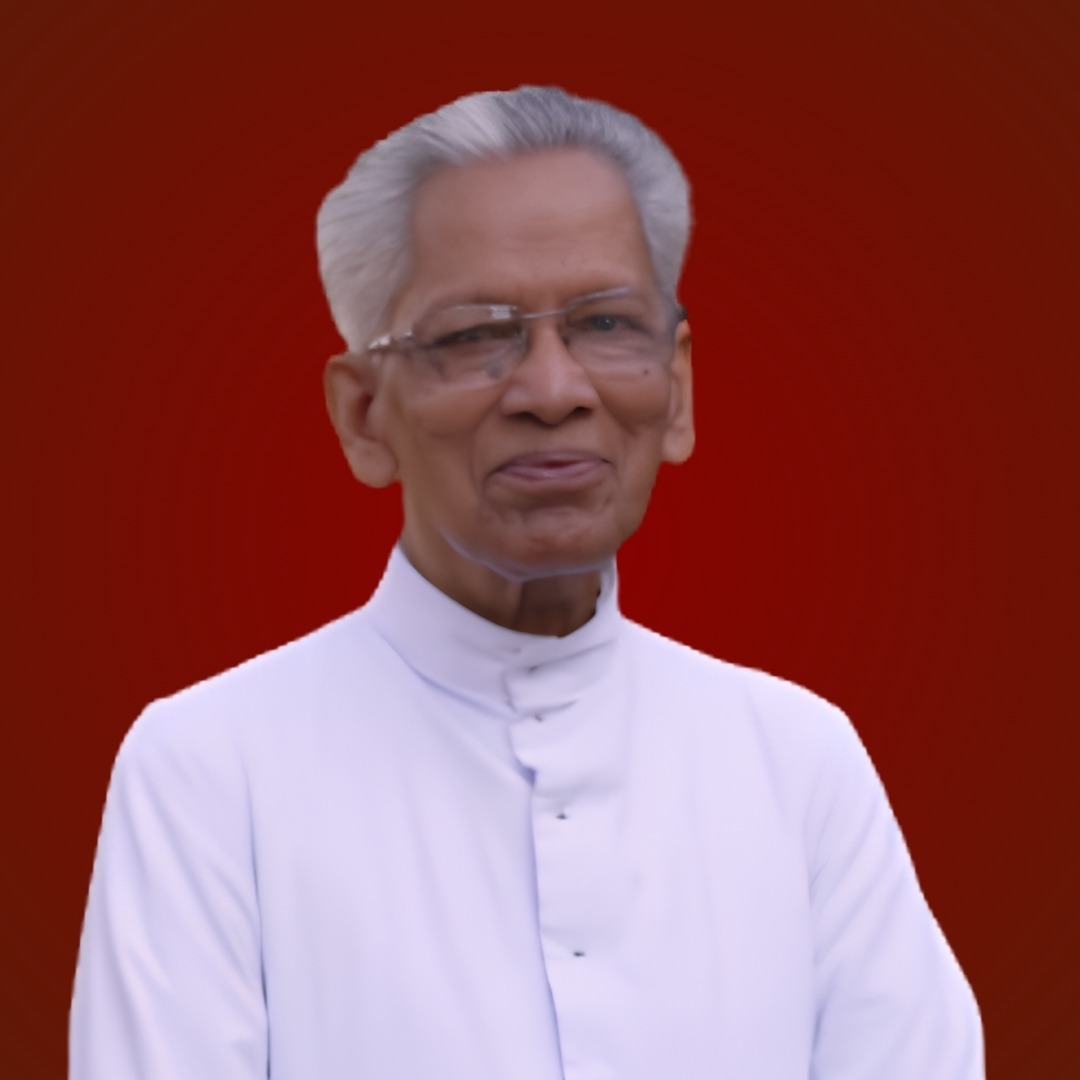
Rev. Fr. Dominic Aluvaparambil
Elected Members
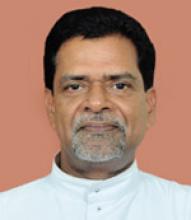
Rev. Fr. Xavier Chirammel
Elected Members
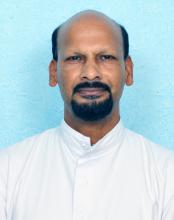
Rev. Fr. Peter Chadayangad
Elected Members
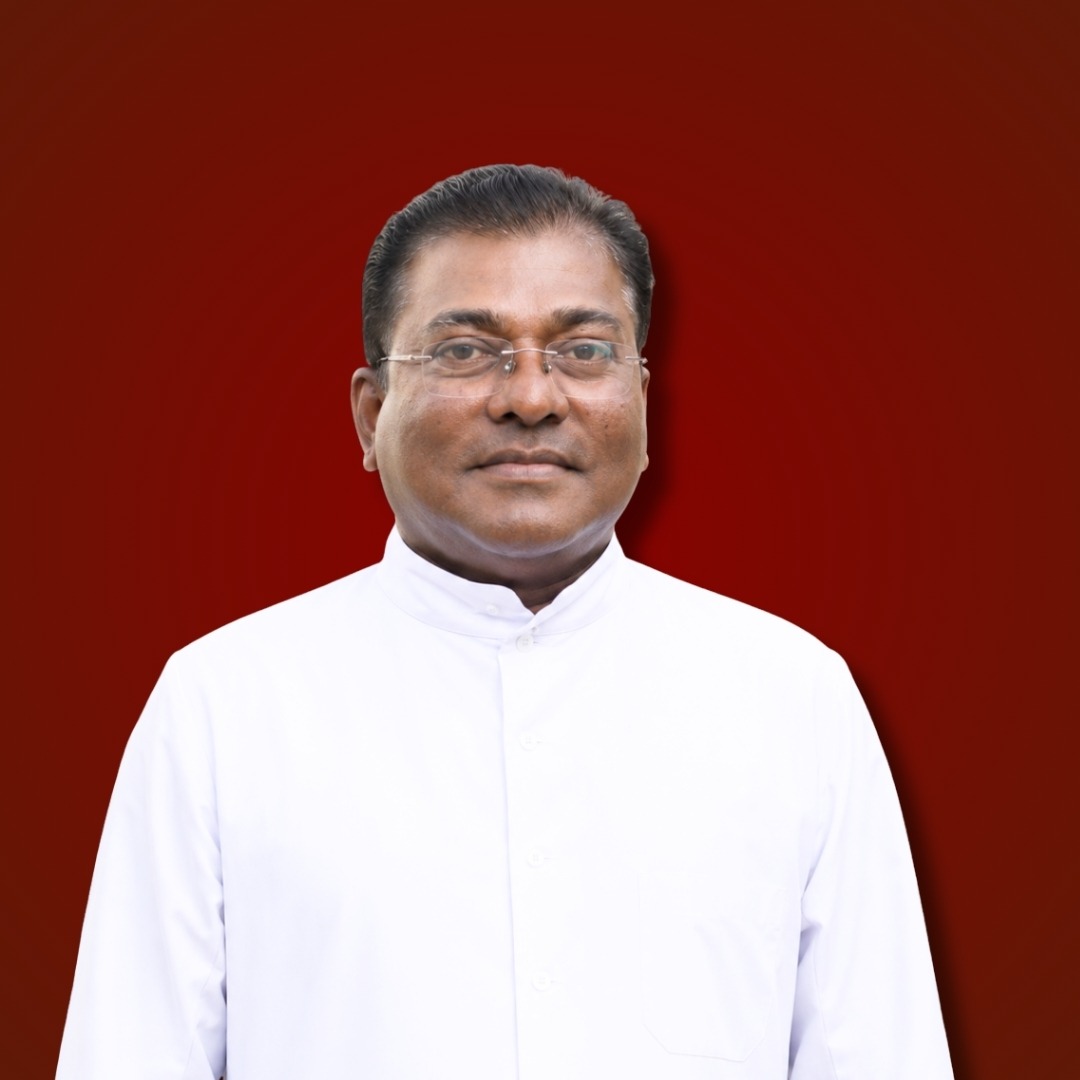
Rev. Fr. Antony Pulickal
Elected Members
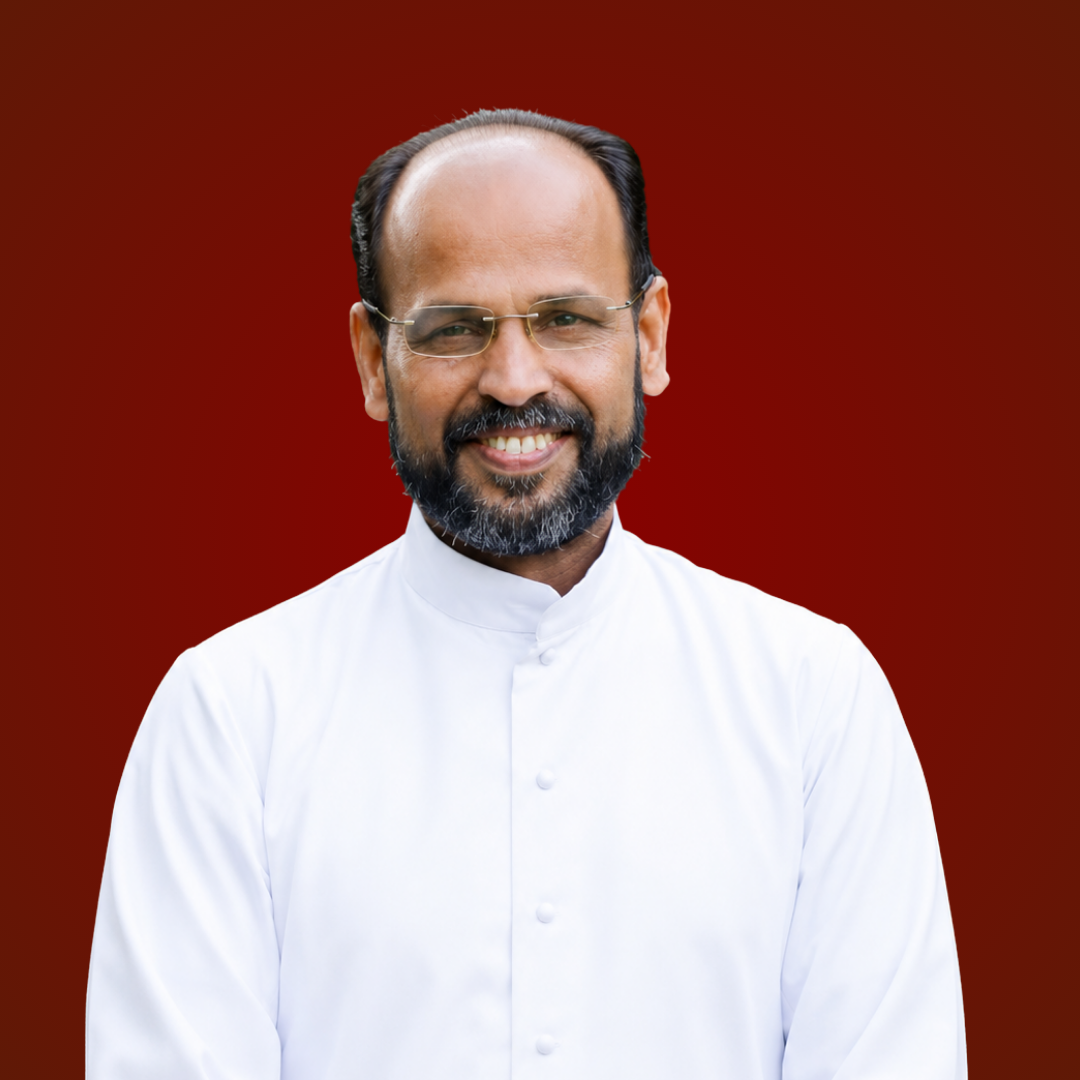
Rev. Dr. Joshy Mayyattil
Elected Members
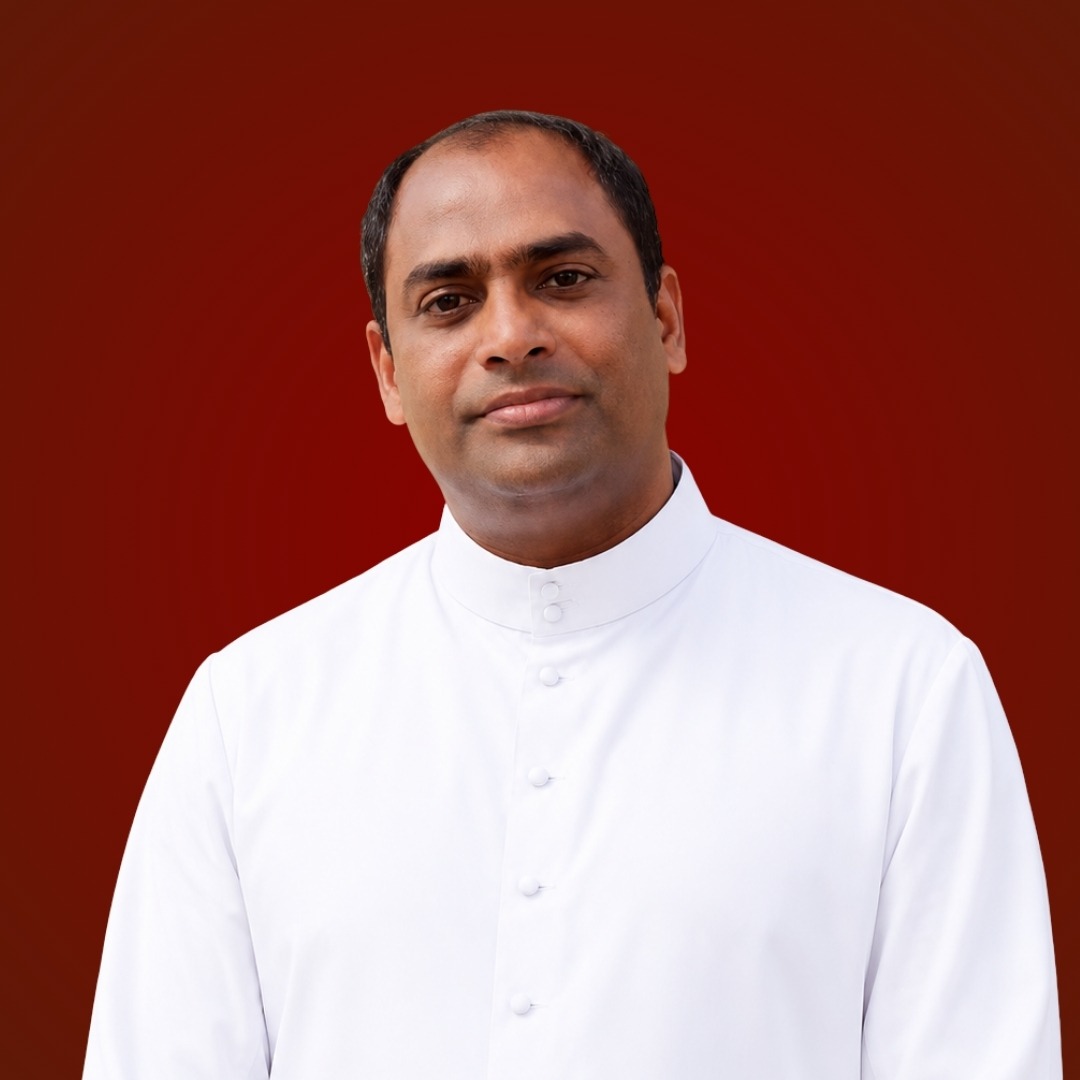
Rev. Dr. Gasper Kadaviparambil
Elected Members
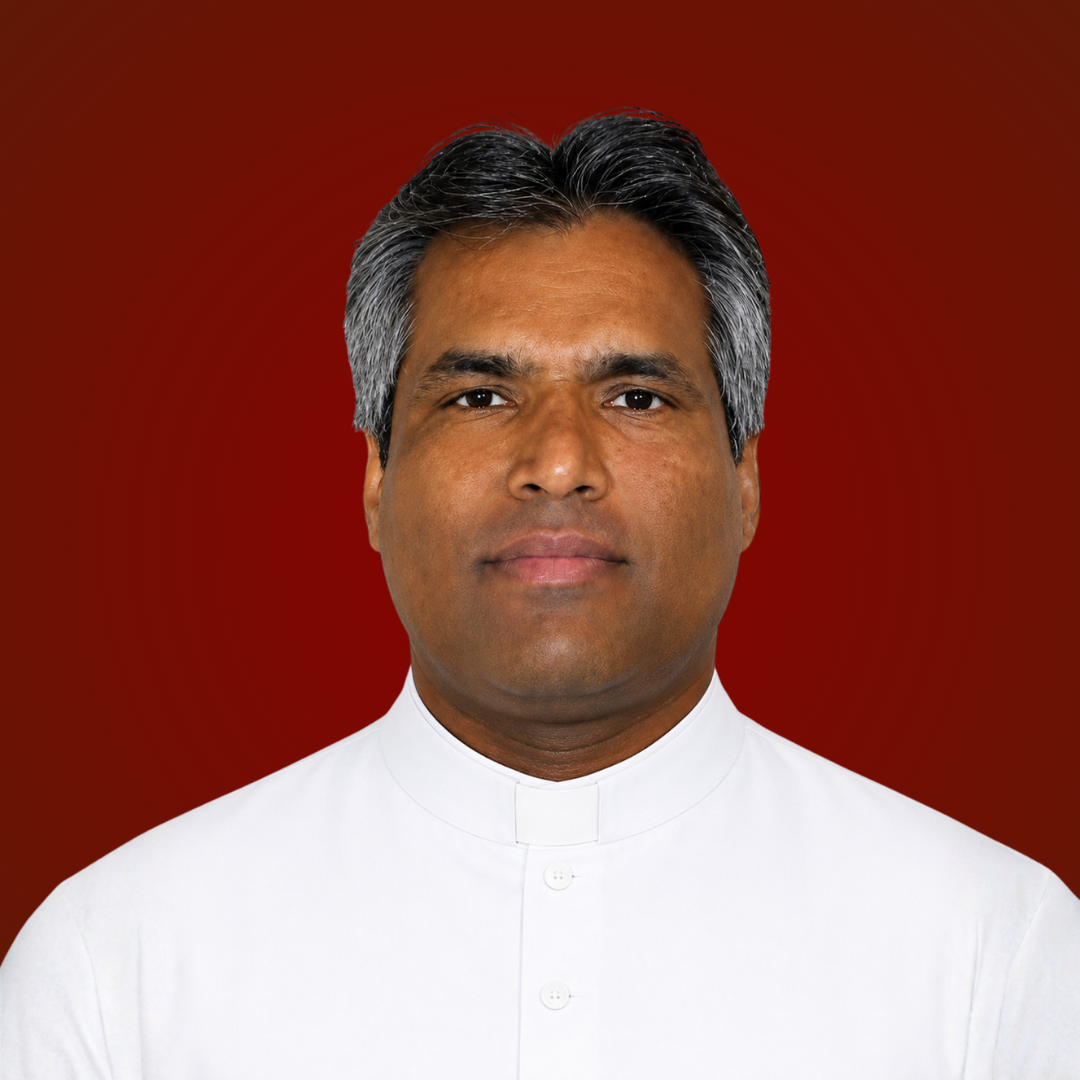
Rev. Fr. Johnson Thaundayil
Elected Members
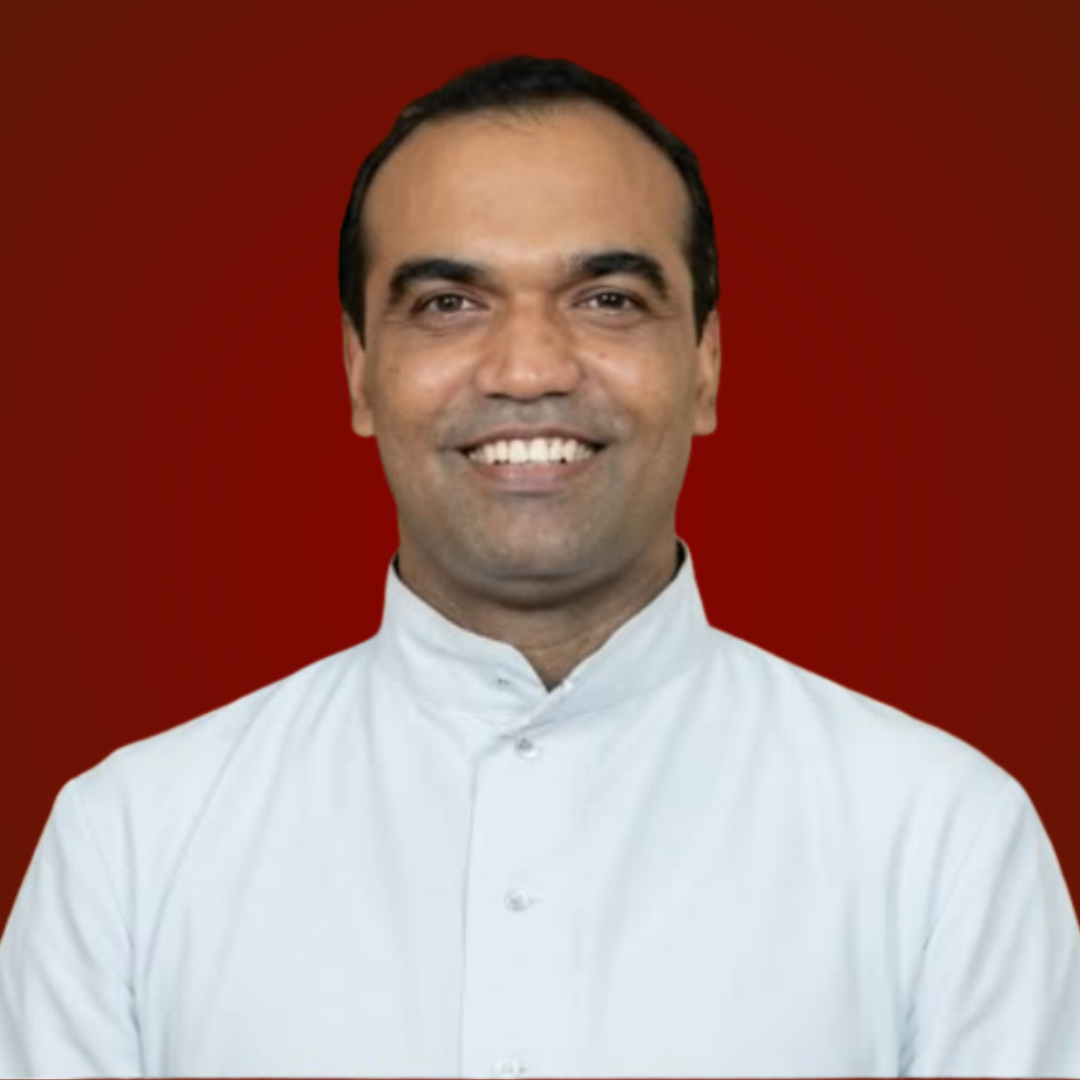
Rev. Fr. Jelson Vellassery
Elected Members
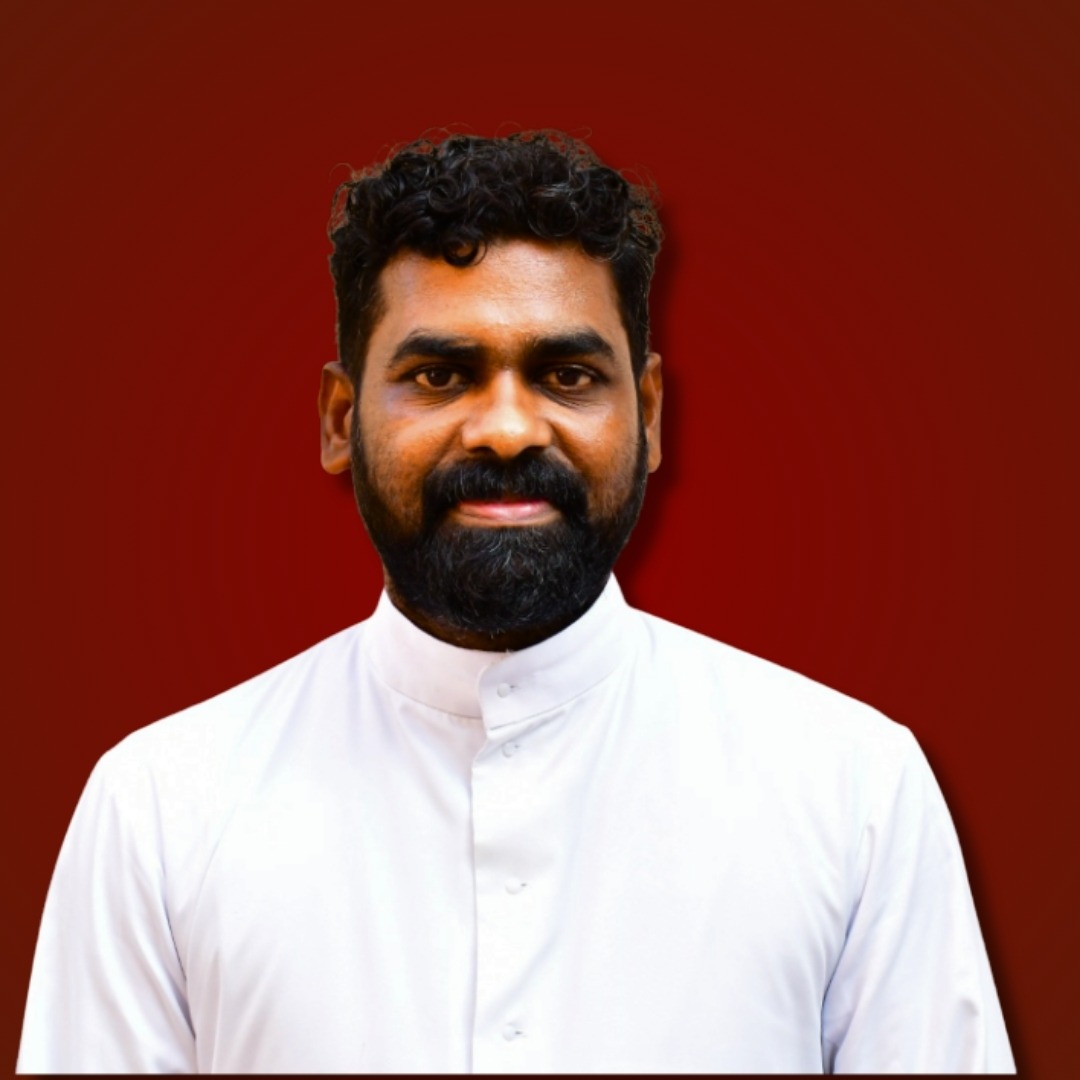
Rev. Fr. Antony Thaiveetil
Elected Members
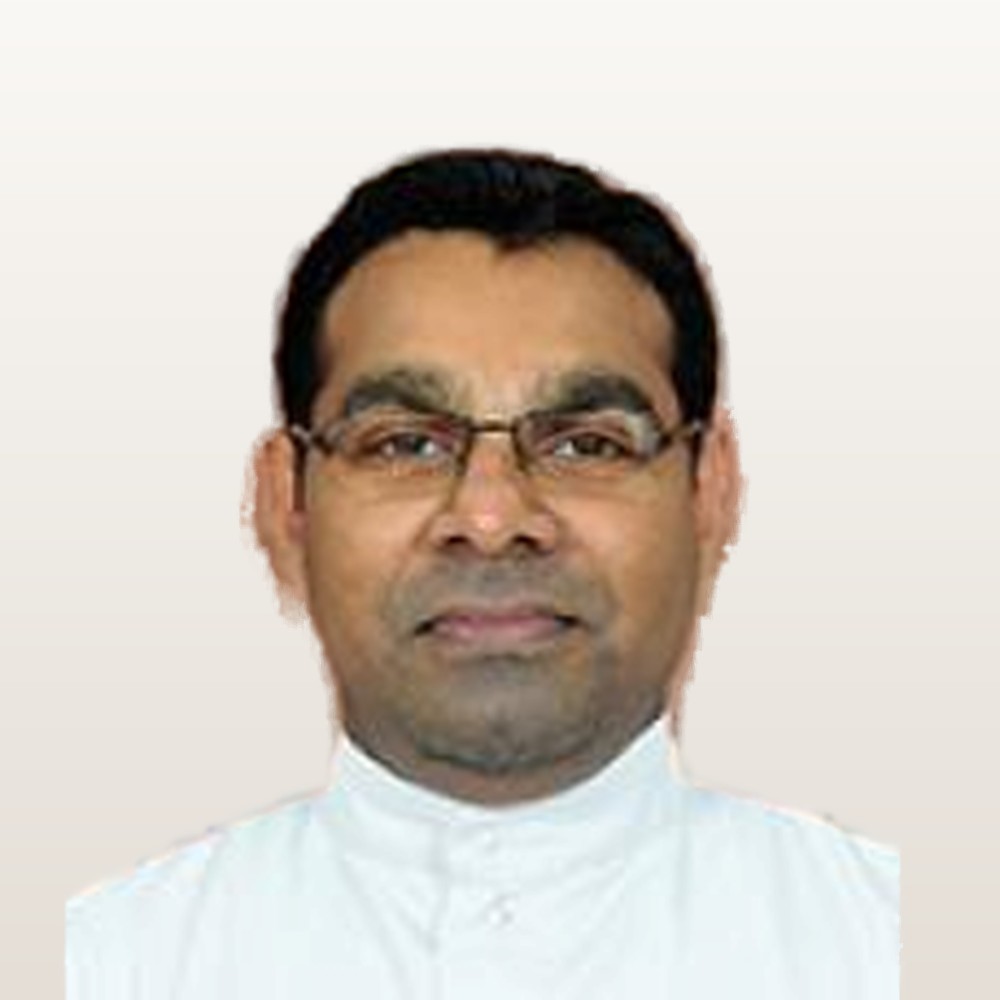
Rev. Dr. Prince Puthenchackalackal
Elected Members
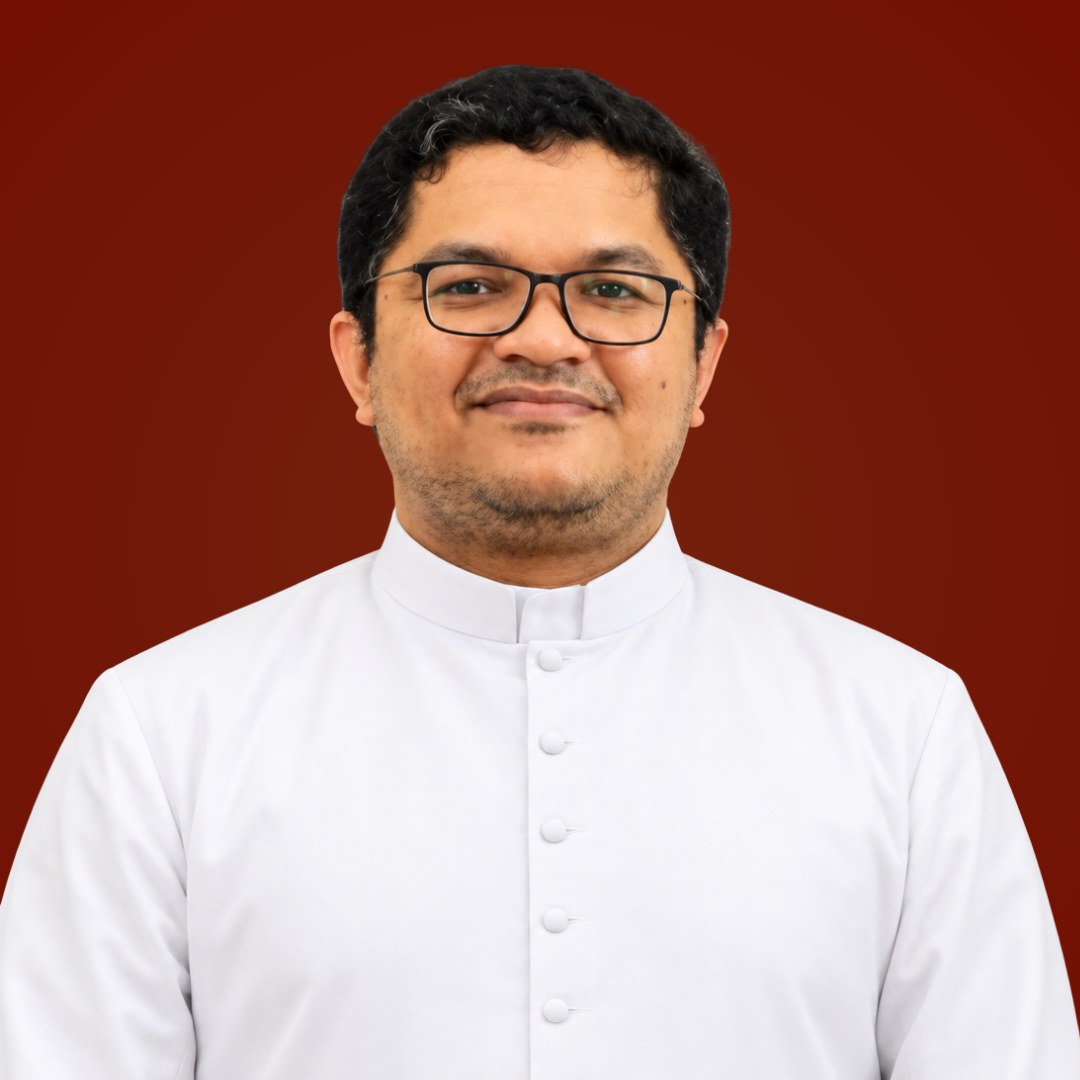
Rev. Fr. Paul Yesudas Palliparambil
Elected Members
Rev. Fr. Saju Antony Punnakattussery
Elected Members
Rev. Fr. Rinson Antony Kaliyath
Elected Members
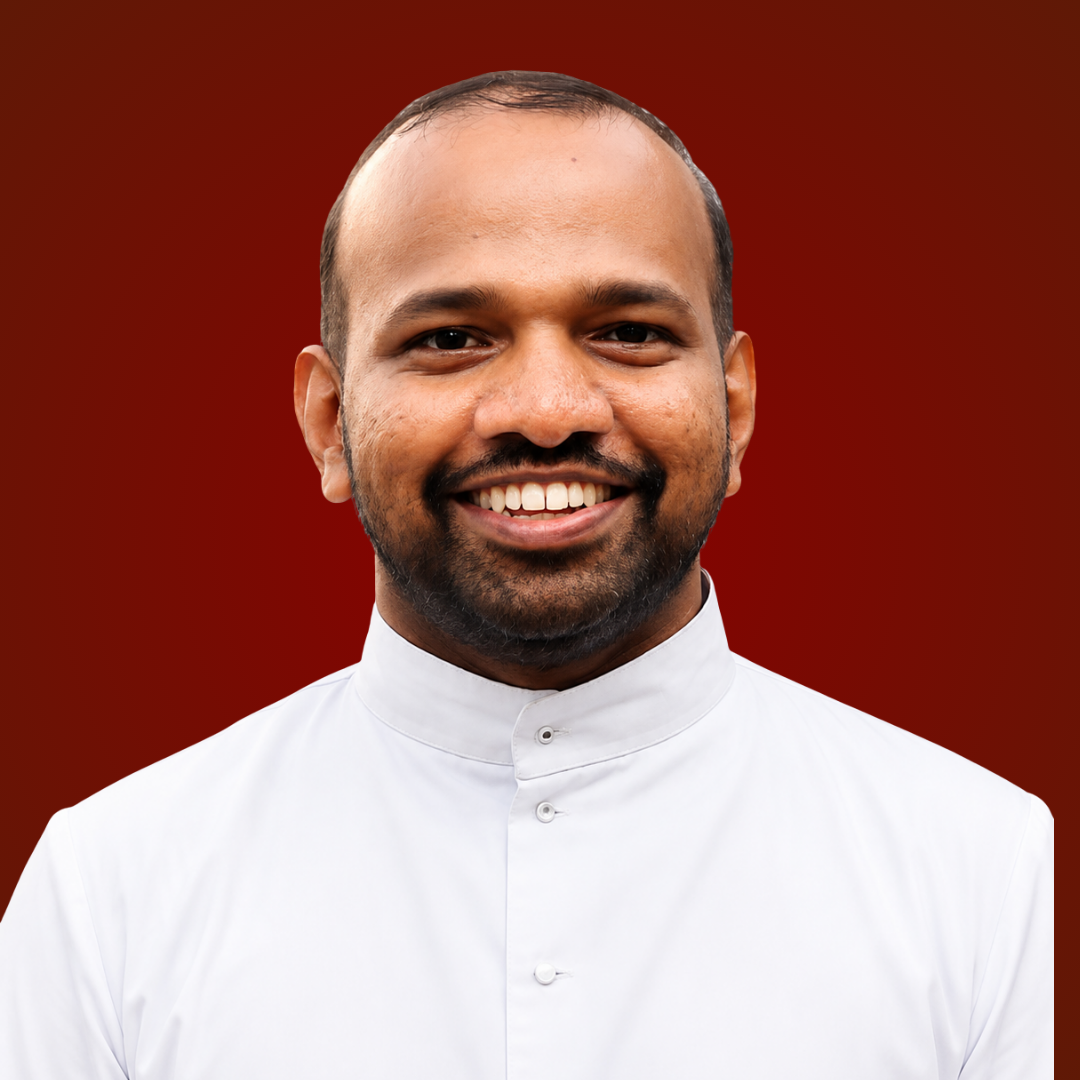
Rev. Fr. Shelson Joseph Thannikkal
Elected Members
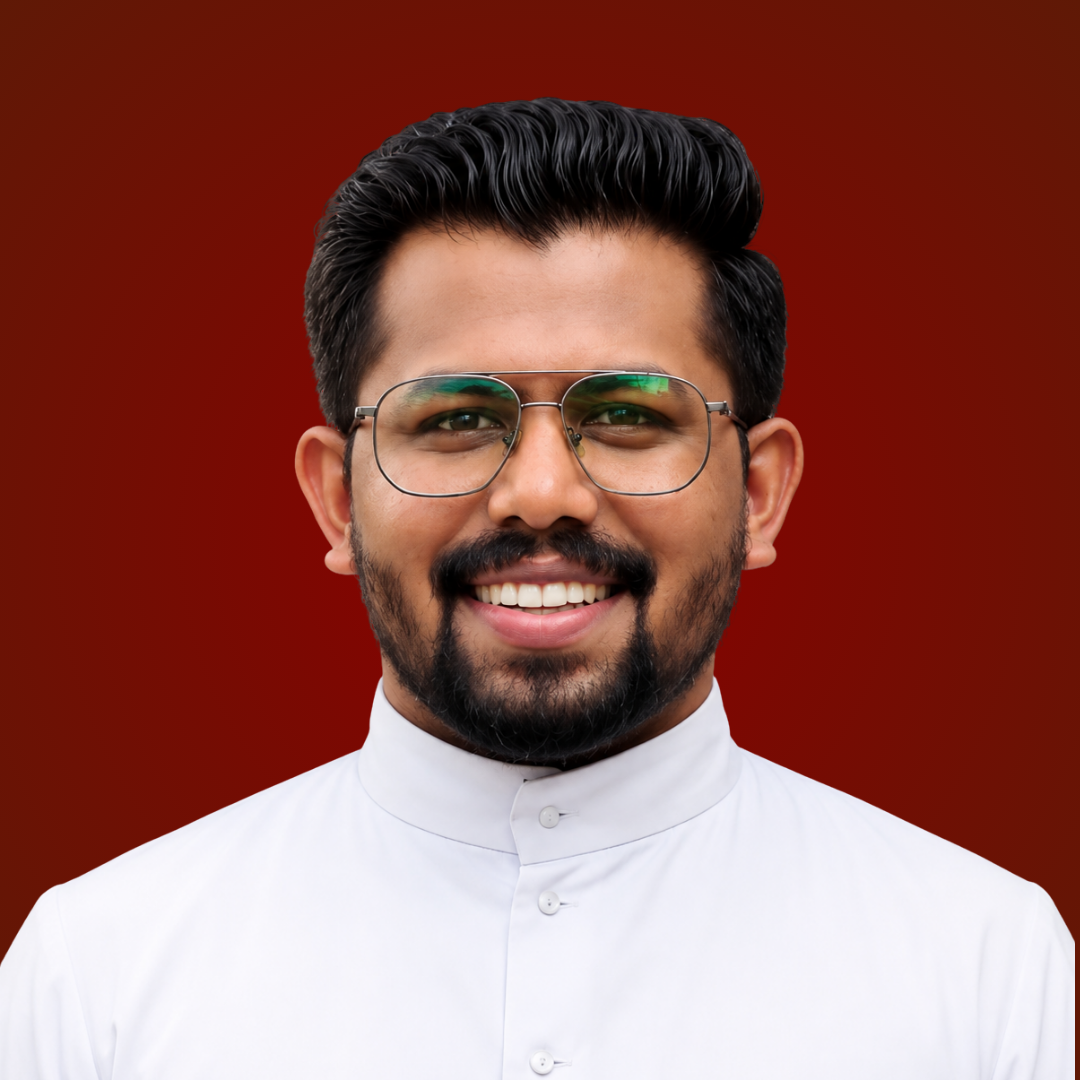
Rev. Fr. Sharvin Xavier Puthenchakkalackal
Elected Members
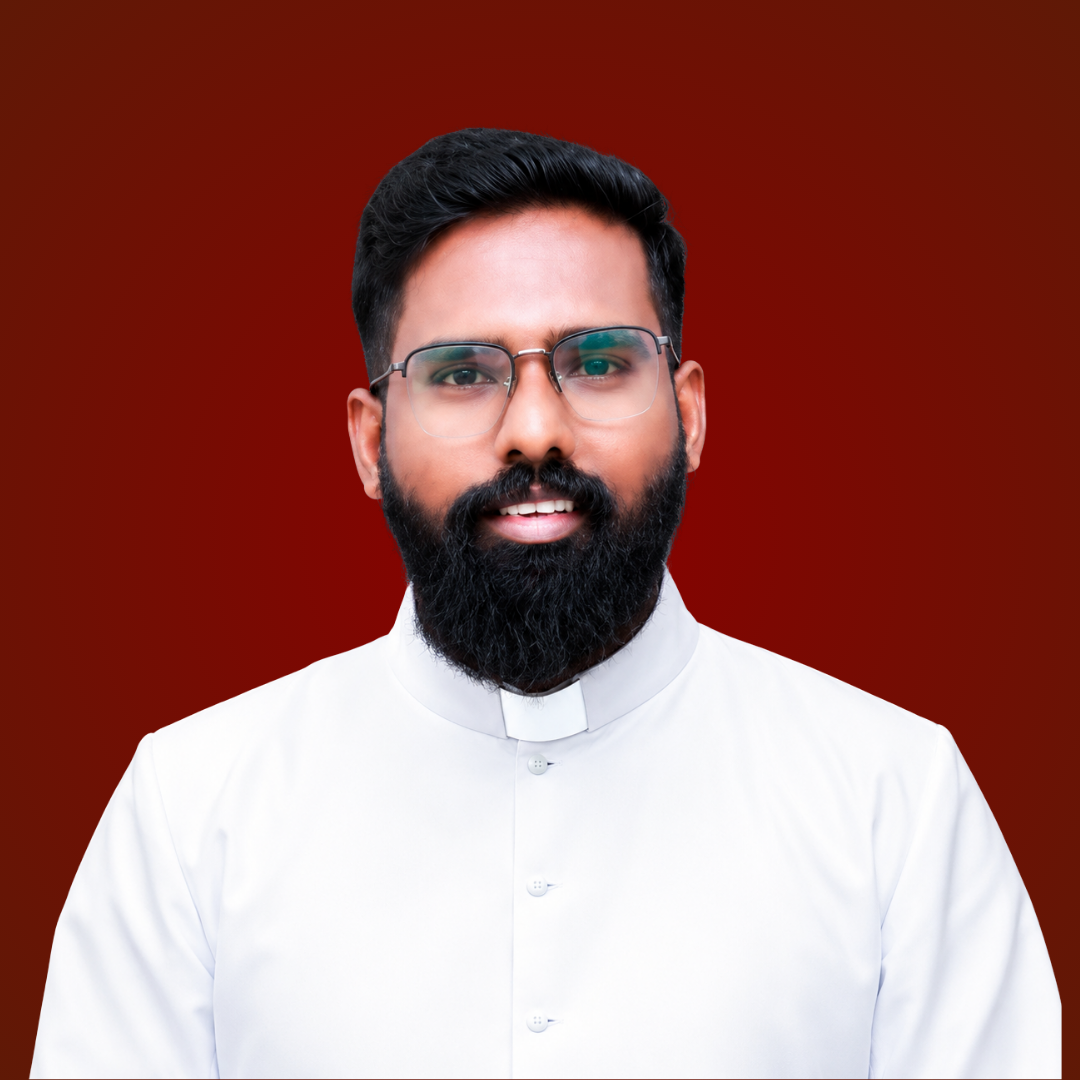
Rev. Fr. Jobin Mathew Valiyaveettil
Elected Members