Ecclesiastical Structure
The hierarchical and administrative structure of the Diocese of Cochin, as defined by the Code of Canon Law (Canons 460–572).
Internal Ordering of the Diocese
The ecclesiastical structure of the Diocese of Cochin is grounded in the Code of Canon Law (Canons 460–572), which defines the internal ordering of every particular church. This framework supports the Bishop in guiding pastoral action, coordinating the administration of the diocese, and exercising judicial authority for the benefit of the faithful.
The Diocesan Curia (Can. 469–494)
According to Canon 469, the Diocesan Curia consists of those institutions and persons which assist the bishop in the governance of the whole diocese, especially in guiding pastoral action, in caring for the administration of the diocese, and in exercising judicial power.
All those admitted to offices in the curia must promise to fulfil their function faithfully and observe the required secrecy (Can. 471). Acts of the curia intended to have juridic effect must be signed by the ordinary and countersigned by the chancellor or a notary (Can. 474).
Vicars General and Episcopal Vicars (Can. 475–481)
In each diocese the diocesan bishop must appoint a Vicar General who is provided with ordinary power to assist him in the governance of the whole diocese (Can. 475). Where the correct governance of a diocese requires it, the bishop may additionally appoint one or more Episcopal Vicars with ordinary power over a specific territory, type of affairs, rite, or group of persons (Can. 476).
A Vicar General or Episcopal Vicar must be a priest not less than thirty years old, holding a doctorate or licentiate in canon law or theology (or truly expert in these disciplines), and recommended by sound doctrine, integrity, prudence, and experience (Can. 478).
They must report the more important affairs to the diocesan bishop (Can. 480).
Their power ceases at the expiration of their mandate, by resignation, removal by the bishop, or vacancy of the episcopal see (Can. 481).
The function of vicar general cannot be coupled with that of canon penitentiary, nor entrusted to blood relatives of the bishop up to the fourth degree (Can. 478 §2).
The Chancellor, Other Notaries, and the Archives (Can. 482–491)
A Chancellor must be appointed in every curia whose principal function is to take care that acts of the curia are gathered, arranged, and safeguarded in the archive (Can. 482). The Chancellor and notaries must be of unimpaired reputation and above all suspicion (Can. 483 §2).
Duties of Notaries (Can. 484):
To draw up the acts and instruments regarding decrees, dispositions, obligations, or other things which require their action.
To record faithfully in writing what has taken place and to sign it with a notation of the place, day, month, and year.
To furnish acts or instruments to one who legitimately requests them from the records and to declare copies of them to be in conformity with the original.
A diocesan archive must be established in a safe place in which instruments and written documents pertaining to the spiritual and temporal affairs of the diocese are safeguarded (Can. 486 §2). Only the bishop and chancellor are to have the key to the archive; no one may enter without permission of the bishop or of both the moderator of the curia and the chancellor (Can. 487 §1).
A secret archive (or a completely locked safe) must also be maintained in the diocesan curia for documents to be kept secret. Only the bishop holds the key to the secret archive (Can. 489–490).
The Finance Council and Finance Officer (Can. 492–494)
In every diocese a Finance Council must be established over which the diocesan bishop or his delegate presides. It consists of at least three members of the Christian faithful truly expert in financial affairs and civil law, outstanding in integrity, and appointed by the bishop for five-year terms (Can. 492).
The Finance Council prepares the annual budget and examines accounts at year end (Can. 493).
The Finance Officer is appointed by the bishop, after hearing the college of consultors and the Finance Council, for five-year terms, to administer the goods of the diocese (Can. 494).
Persons related to the bishop up to the fourth degree of consanguinity or affinity are excluded from the Finance Council (Can. 492 §3).
The Presbyteral Council and College of Consultors (Can. 495–502)
In each diocese, a Presbyteral Council is established — a group of priests which, representing the presbyterium, acts as a senate of the bishop and assists him in the governance of the diocese for the pastoral good of the faithful (Can. 495 §1). The Council has its own statutes approved by the diocesan bishop.
The Presbyteral Council holds only a consultative vote; the diocesan bishop must hear it in affairs of greater importance but needs its consent only in cases expressly defined by law (Can. 500 §2).
From among the members of the Presbyteral Council, the diocesan bishop freely appoints six to twelve priests to constitute a College of Consultors for five-year terms, which exercises specific functions determined by law (Can. 502).
Chapters of Canons (Can. 503–510)
A chapter of canons — whether cathedral or collegial — is a college of priests which performs more solemn liturgical functions in a cathedral or collegial church. The cathedral chapter additionally fulfils the functions entrusted to it by law or by the diocesan bishop (Can. 503). Each chapter must have its own statutes approved by the diocesan bishop (Can. 505).
The Pastoral Council (Can. 511–514)
To the extent that pastoral circumstances suggest it, a Pastoral Council is constituted in every diocese. Under the authority of the bishop, it investigates, considers, and proposes practical conclusions about pastoral works in the diocese (Can. 511).
The Pastoral Council possesses only a consultative vote (Can. 514 §1) and must be convoked at least once a year (Can. 514 §2). It ceases when the see is vacant (Can. 513 §2).
Parishes, Pastors, and Parochial Vicars (Can. 515–552)
A parish is a certain community of the Christian faithful stably constituted in a particular church, whose pastoral care is entrusted to a pastor under the authority of the diocesan bishop (Can. 515 §1). It is only for the diocesan bishop to erect, suppress, or alter parishes, after hearing the Presbyteral Council (Can. 515 §2).
The Pastor (Can. 519) is called to carry out three essential functions:
Teaching — Proclaiming and instructing the faithful in the Word of God.
Sanctifying — Leading the faithful in worship, especially the Eucharist and sacraments.
Governing — Caring for the administration and spiritual life of the parish community.
A pastor must possess stability and is therefore appointed for an indefinite period of time (Can. 522). To become a pastor validly, one must be in the sacred order of the presbyterate (Can. 521). Parochial Vicars assist the pastor in pastoral ministry under his authority (Can. 545–552).
Each parish must have parochial registers (baptisms, marriages, deaths), a pastoral council, and a finance council to assist the pastor in the administration of goods (Can. 535–537).
Vicars Forane (Can. 553–555)
A Vicar Forane — also called a Dean or Archpriest — is a priest placed over a vicariate forane (deanery) by the diocesan bishop. The office is appointed for a period determined by particular law (Can. 554 §2).
The duties and rights of the Vicar Forane include (Can. 555):
Promoting and coordinating common pastoral activity in the vicariate.
Ensuring that clerics of his district lead a life in keeping with their state and perform their duties diligently.
Overseeing that religious functions are celebrated according to the prescripts of the sacred liturgy.
Ensuring that parochial registers are correctly inscribed and protected.
Visiting parishes of his district according to the determination made by the diocesan bishop.
Taking care that pastoral and material support are available to sick or deceased priests of his district.
Rectors of Churches and Chaplains (Can. 556–572)
Rectors of Churches are priests to whom is committed the care of a church which is neither parochial nor capitular nor connected to a house of a religious community (Can. 556). They are freely appointed by the diocesan bishop and are responsible for the worthy celebration of sacred functions, maintenance of the church, and faithful administration of goods (Can. 562).
A Chaplain is a priest to whom the pastoral care of a particular community or group of the Christian faithful is entrusted in a stable manner (Can. 564). Chaplains are appointed by the local ordinary and possess the faculties necessary for proper pastoral care, including hearing confessions, preaching, administering Viaticum and the anointing of the sick, and confirming those in danger of death (Can. 566).
Source: Code of Canon Law, Canons 460–572 — Vatican.va
Officials
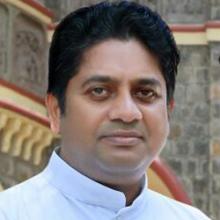
Rt. Rev. Dr. Antony Kattiparambil
Diocesan Bishop
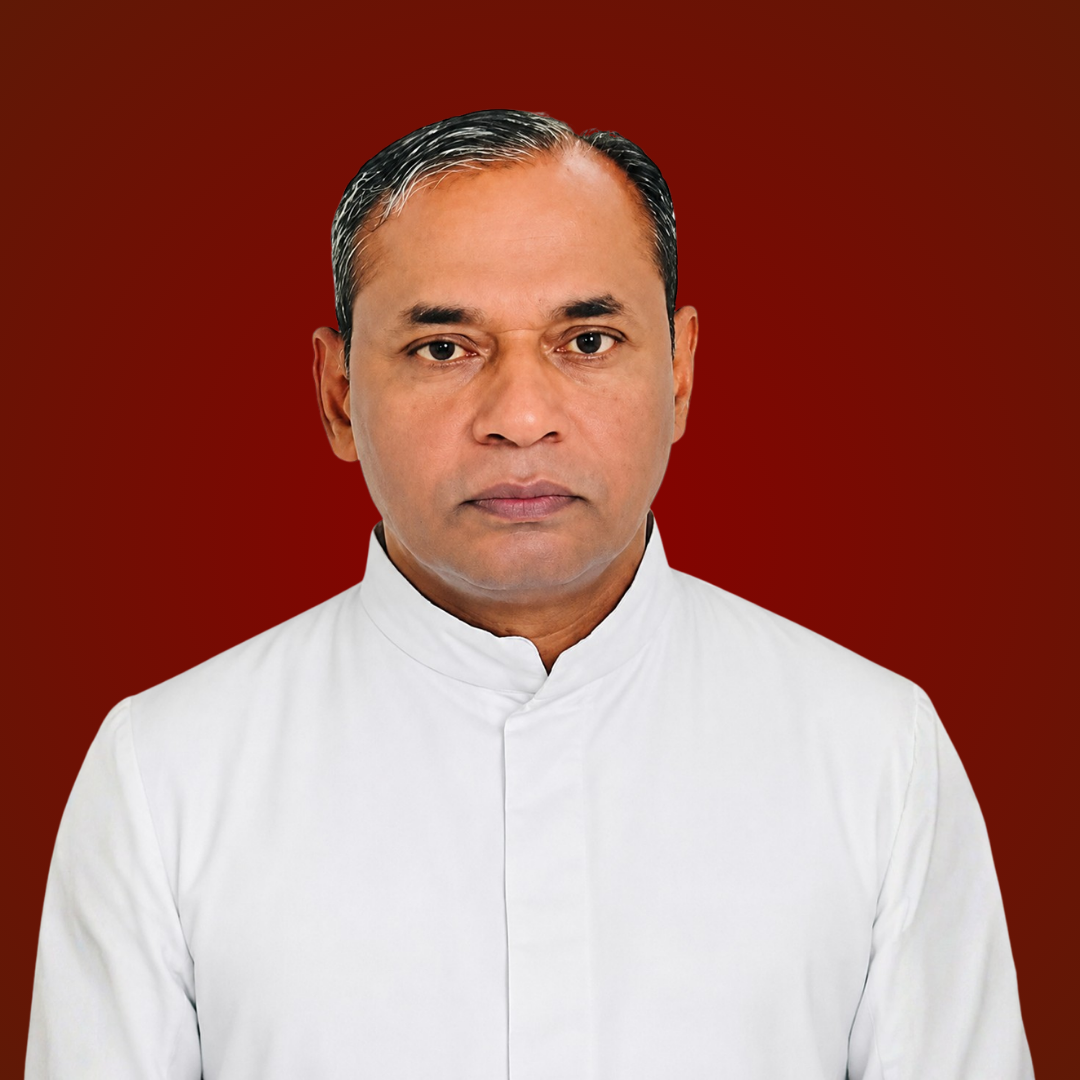
Rev. Dr. Josey Kandanattuthara
Vicar General
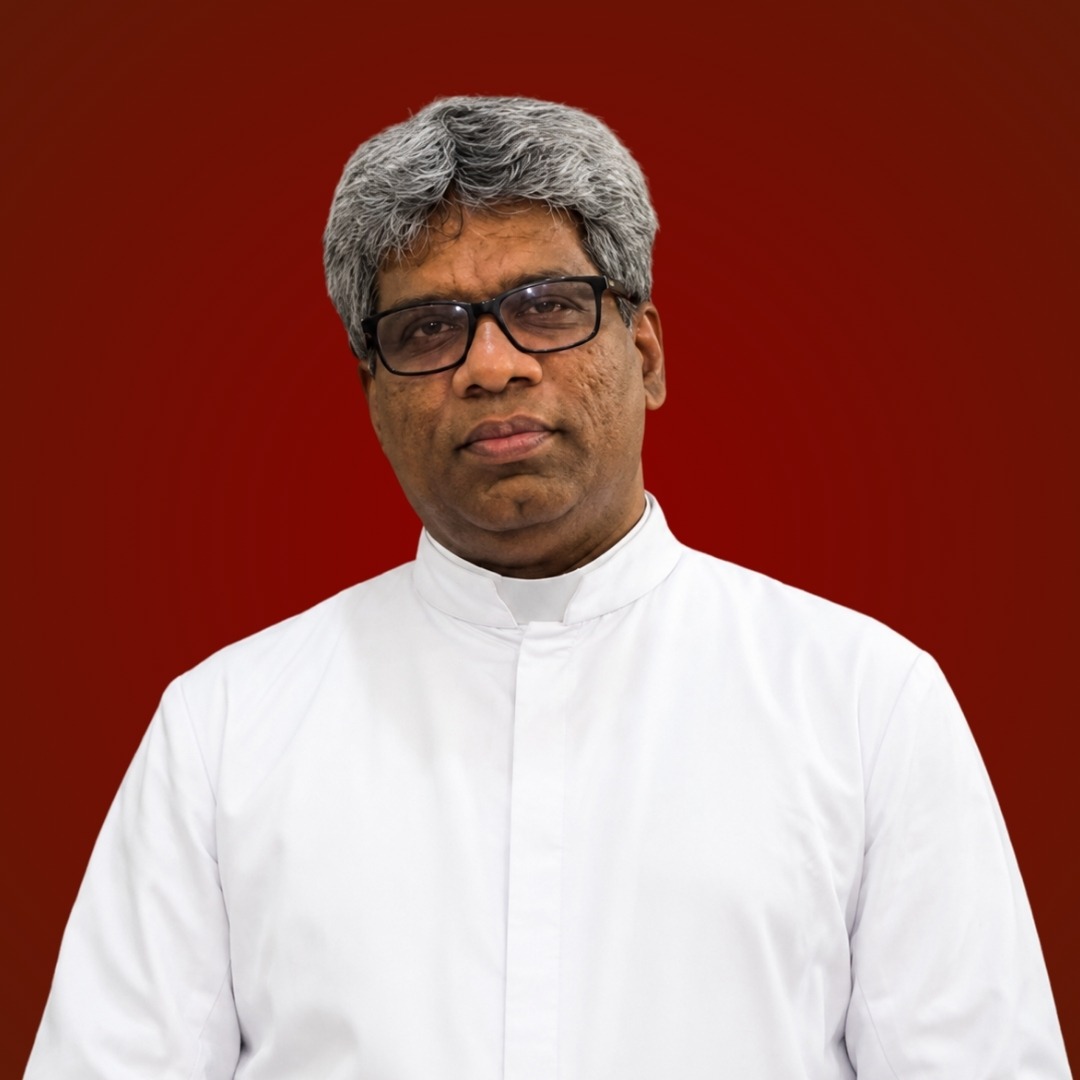
Rev. DDr. Johney Xavier Puthukkattu
Chancellor
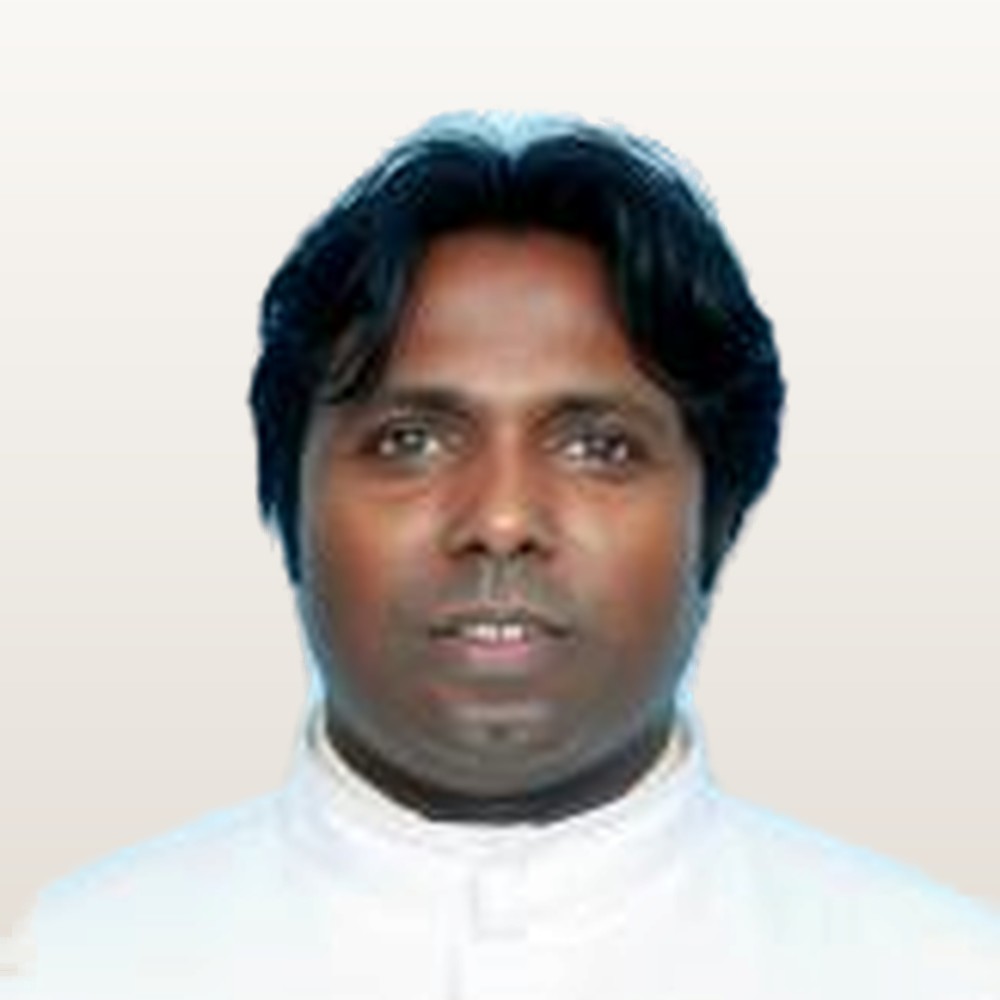
Rev. Fr. Prasad Kandathiparambil
Procurator
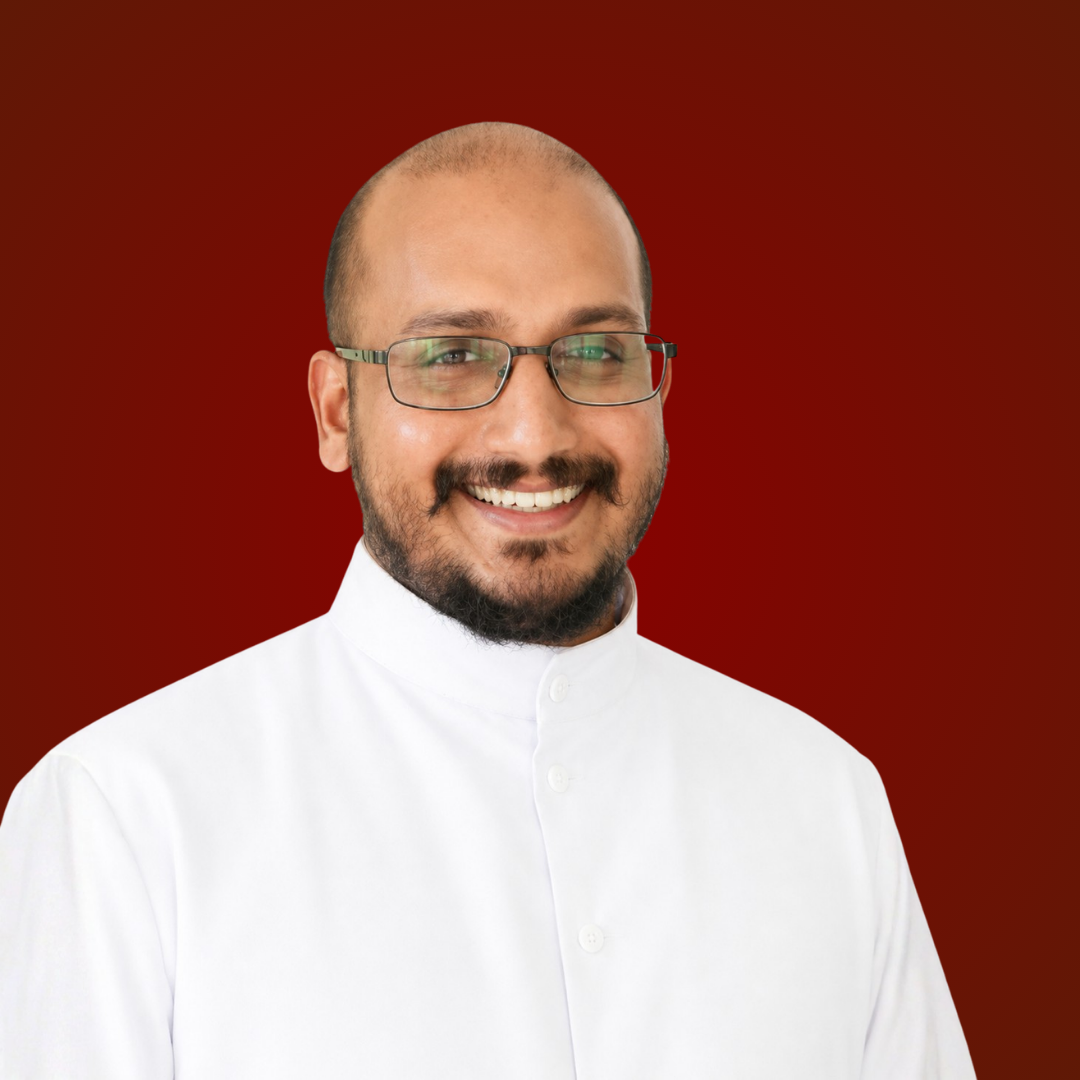
Rev. Fr. Joshy George Alesseril
Judicial Vicar
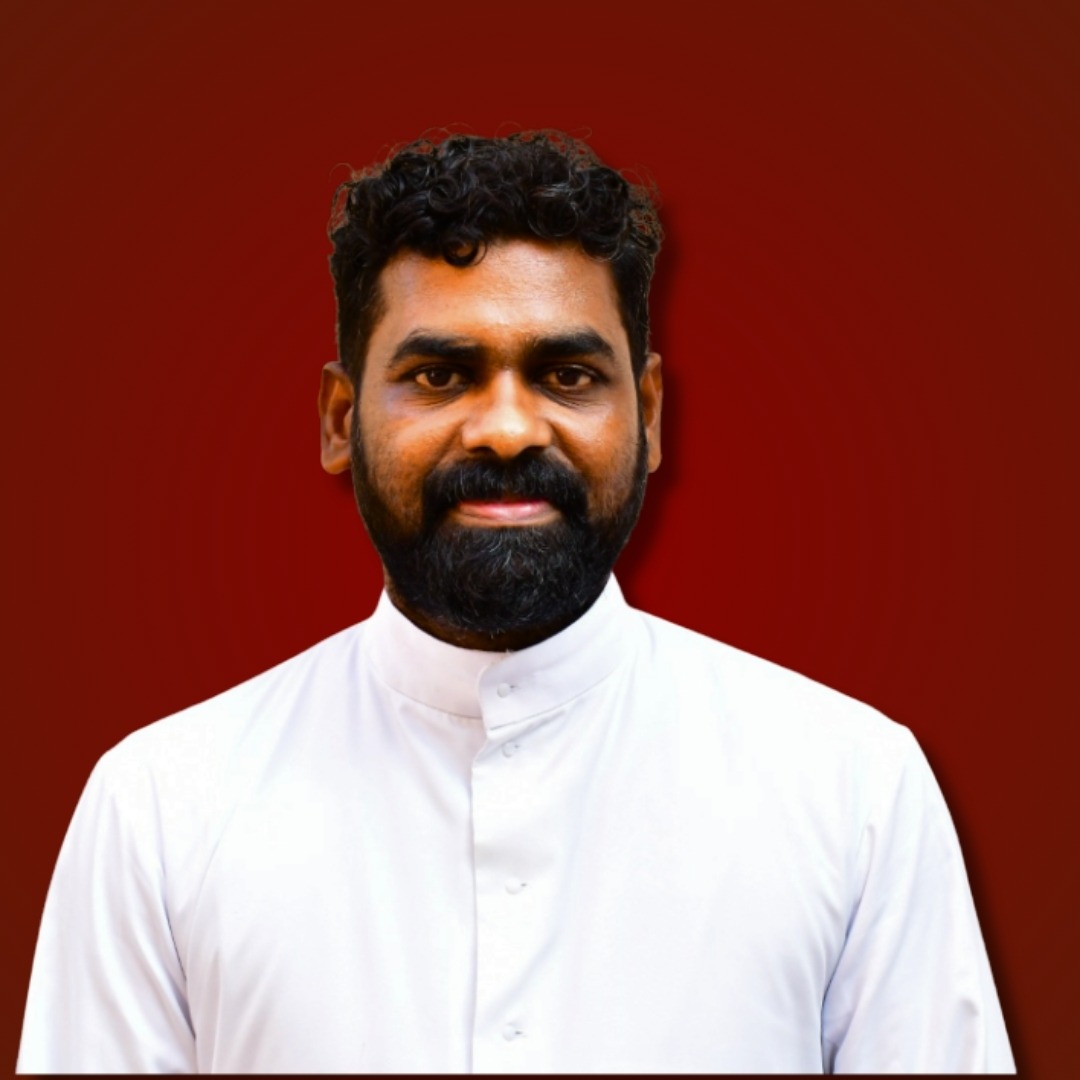
Rev. Fr. Antony Thaiveetil
Rector
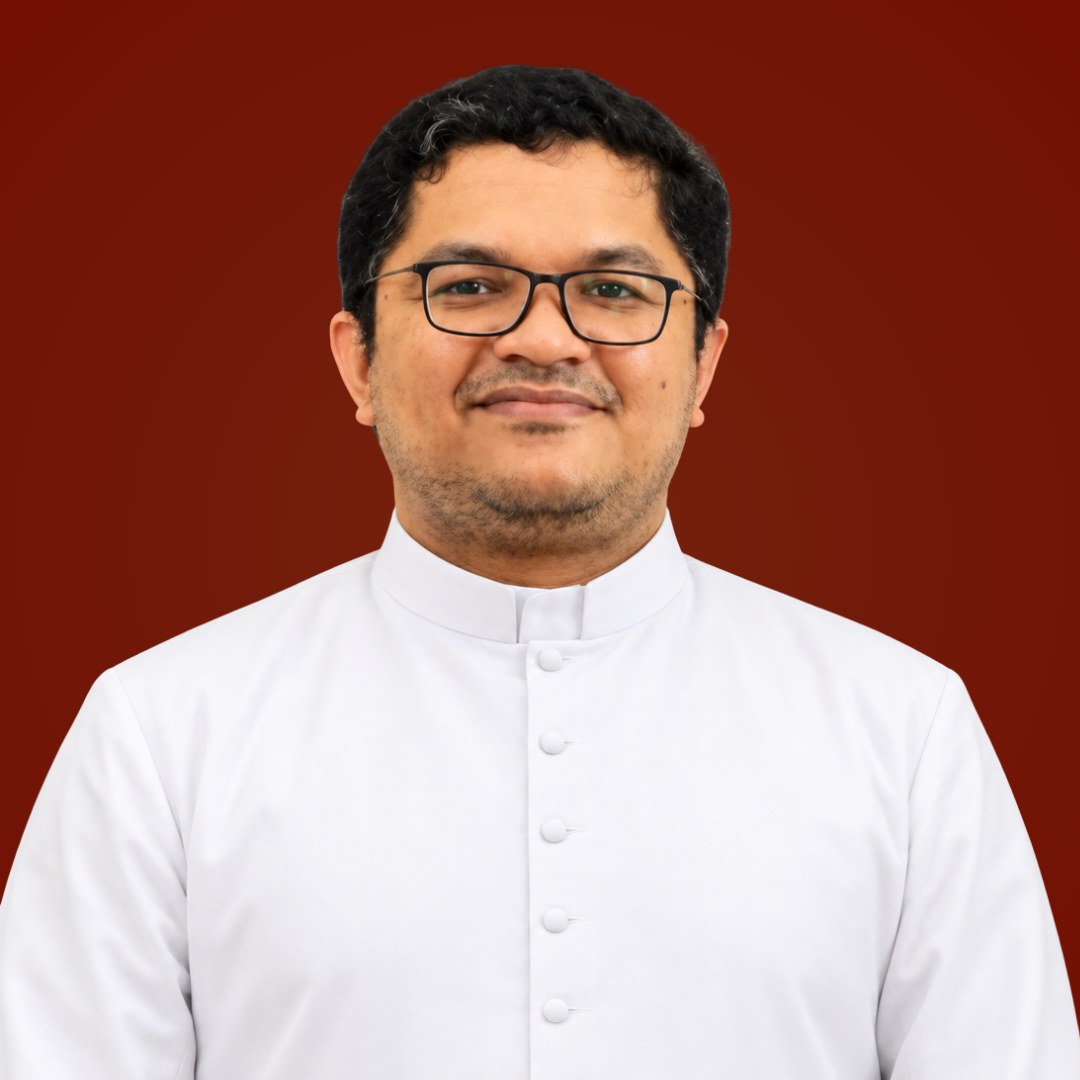
Rev. Fr. Paul Yesudas Palliparambil
Secretary to the Bishop