College of Consultors
The College of Consultors is a select group of priests drawn from the Presbyteral Council, appointed by the Bishop for a five-year term. They exercise critical governance functions especially when the episcopal see is vacant or impeded.
College of Consultors
The College of Consultors is a select body of priests drawn from within the Presbyteral Council who exercise specific consultative and governance functions within the diocese. Governed principally by Canon 502 of the Code of Canon Law, the College holds particular importance whenever the Bishop is absent, impeded, or when the diocesan see falls vacant.
Canonical Foundation
"From among the members of the presbyteral council and in a number not less than six nor more than twelve, the diocesan bishop freely appoints some priests who are to constitute for five years a college of consultors, to which belongs the functions determined by law. When the five years elapse, however, it continues to exercise its proper functions until a new college is established."
— Code of Canon Law, Canon 502 §1
Appointment and Composition
The College of Consultors has the following specific requirements under Canon 502 §1:
Source: All consultors must already be members of the Presbyteral Council.
Size: The college must have no fewer than six and no more than twelve priests.
Appointment: The diocesan Bishop freely appoints the members — there is no election.
Term: Consultors serve a five-year term. Upon its expiration, the college continues its functions until a new college is constituted.
Presidency
According to Canon 502 §2:
Ordinarily, the diocesan bishop presides over the College of Consultors.
When the see is impeded or vacant, the one who temporarily takes the place of the bishop presides.
If no such person has yet been appointed, the priest senior in ordination among the college's members presides.
Functions and Responsibilities
The Code of Canon Law assigns the College of Consultors several important functions throughout its text. Among the most significant are:
Vacancy of the see: When the episcopal see falls vacant, the College of Consultors exercises the functions of the Presbyteral Council (Canon 501 §2). It becomes the primary body assisting the diocesan administrator.
Appointment of the diocesan administrator: During a sede vacante, if the college of bishops must elect a diocesan administrator, the College of Consultors plays a formal role in that process.
Finance Officer: Before appointing the diocesan Finance Officer, the bishop must hear both the College of Consultors and the Finance Council (Canon 494 §1). Removal of the Finance Officer likewise requires hearing them (Canon 494 §2).
Removal of the Chancellor: The chancellor and other notaries can be freely removed by the diocesan bishop, but not by the diocesan administrator except with the consent of the College of Consultors (Canon 485).
Acts of greater importance during vacancy: The diocesan administrator may not perform certain acts without the consent or consultation of the College of Consultors.
Relation to the Presbyteral Council
The College of Consultors is not a separate body independent of the Presbyteral Council; it is organically drawn from it. This relationship ensures:
Consultors are known quantities — priests who have already proven themselves as representatives of the presbyterium.
The smaller, more agile College of Consultors can act swiftly in situations requiring immediate decisions (especially during see vacancies).
The broader council continues to function as the living senate of the bishop, while the consultors form a kind of standing committee or executive body.
Canon 502 §3 also allows the conference of bishops to determine that the functions of the College of Consultors be entrusted to the cathedral chapter, where one exists in a diocese.
In Apostolic Vicariates and Prefectures
Under Canon 502 §4, in apostolic vicariates and prefectures the functions of the College of Consultors are fulfilled by the council of the mission described in Canon 495 §2, unless the law provides otherwise. This acknowledges the differing structural realities of missionary territories.
Theological and Pastoral Significance
The College of Consultors reflects the Church's commitment to synodal governance even in moments of institutional fragility, such as when the see is vacant. By requiring a group of trusted, representative priests to act as a consultative and stabilising body, the Code safeguards both continuity of governance and the involvement of the local presbytrium in decisions affecting the diocese.
The consultors are a sign that episcopal authority, while personal, is never exercised in isolation. It is always embedded in communion — with the priests, with the people, and ultimately with the universal Church.
Officials
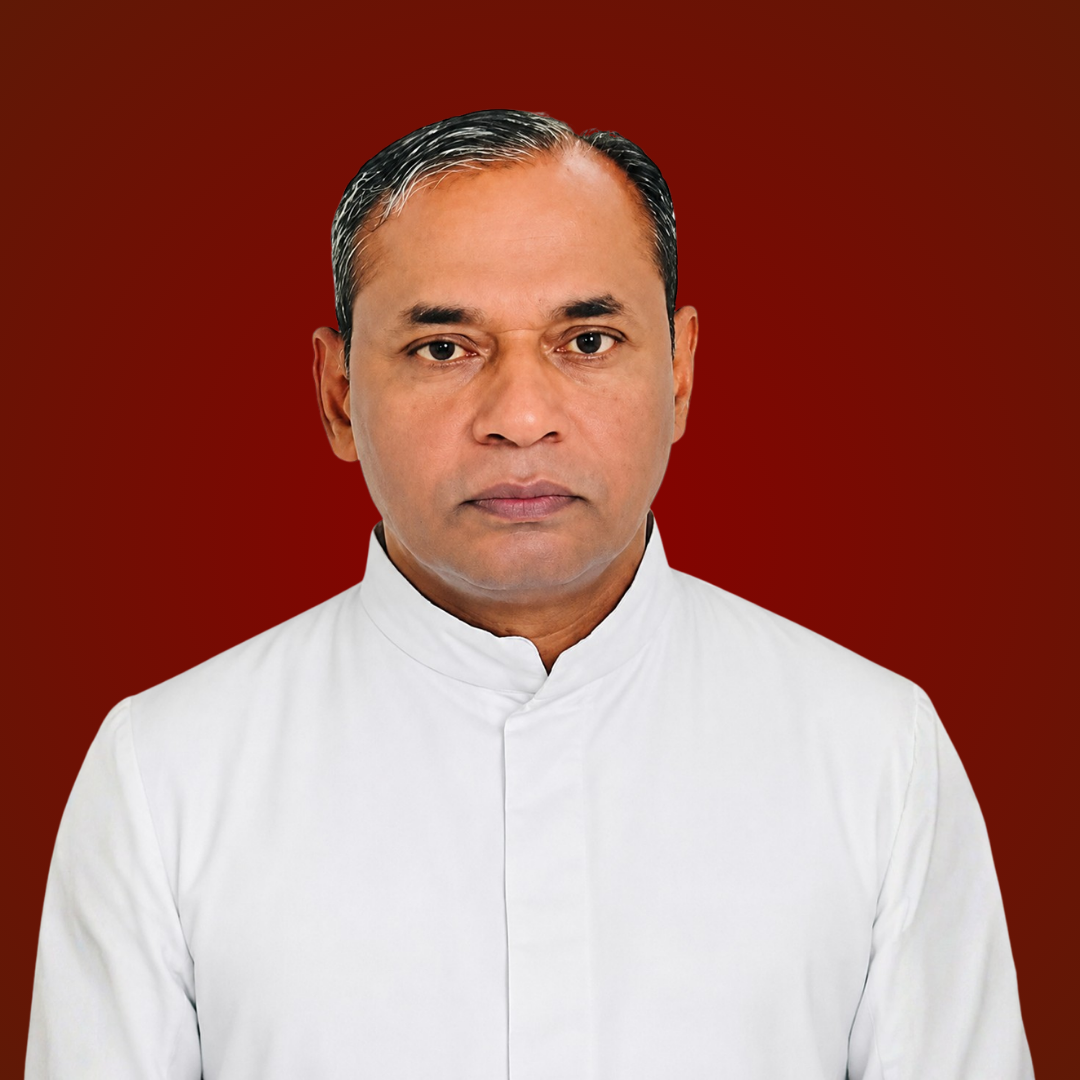
Rev. Dr. Josey Kandanattuthara
Vicar General
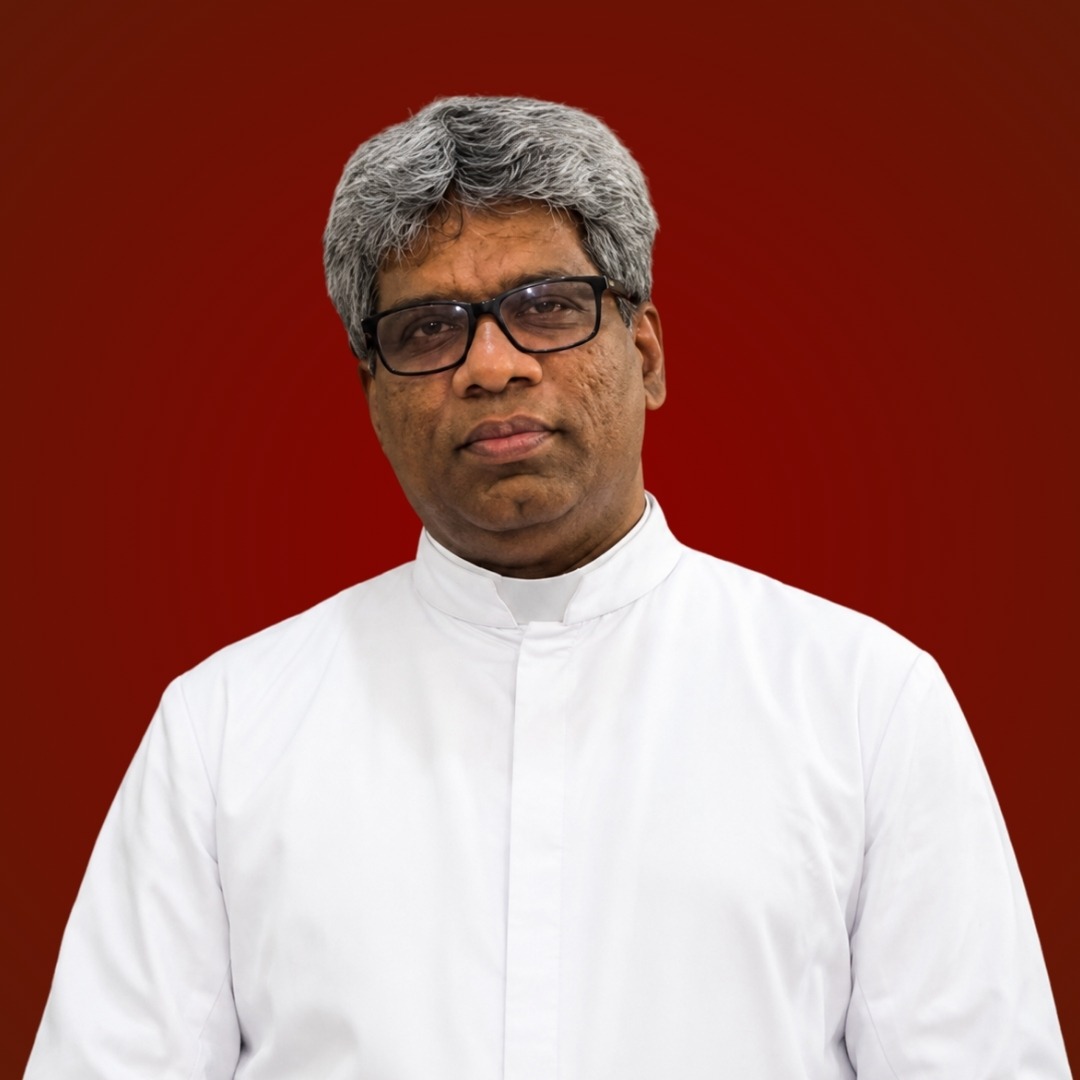
Rev. DDr. Johney Xavier Puthukkattu
Chancellor
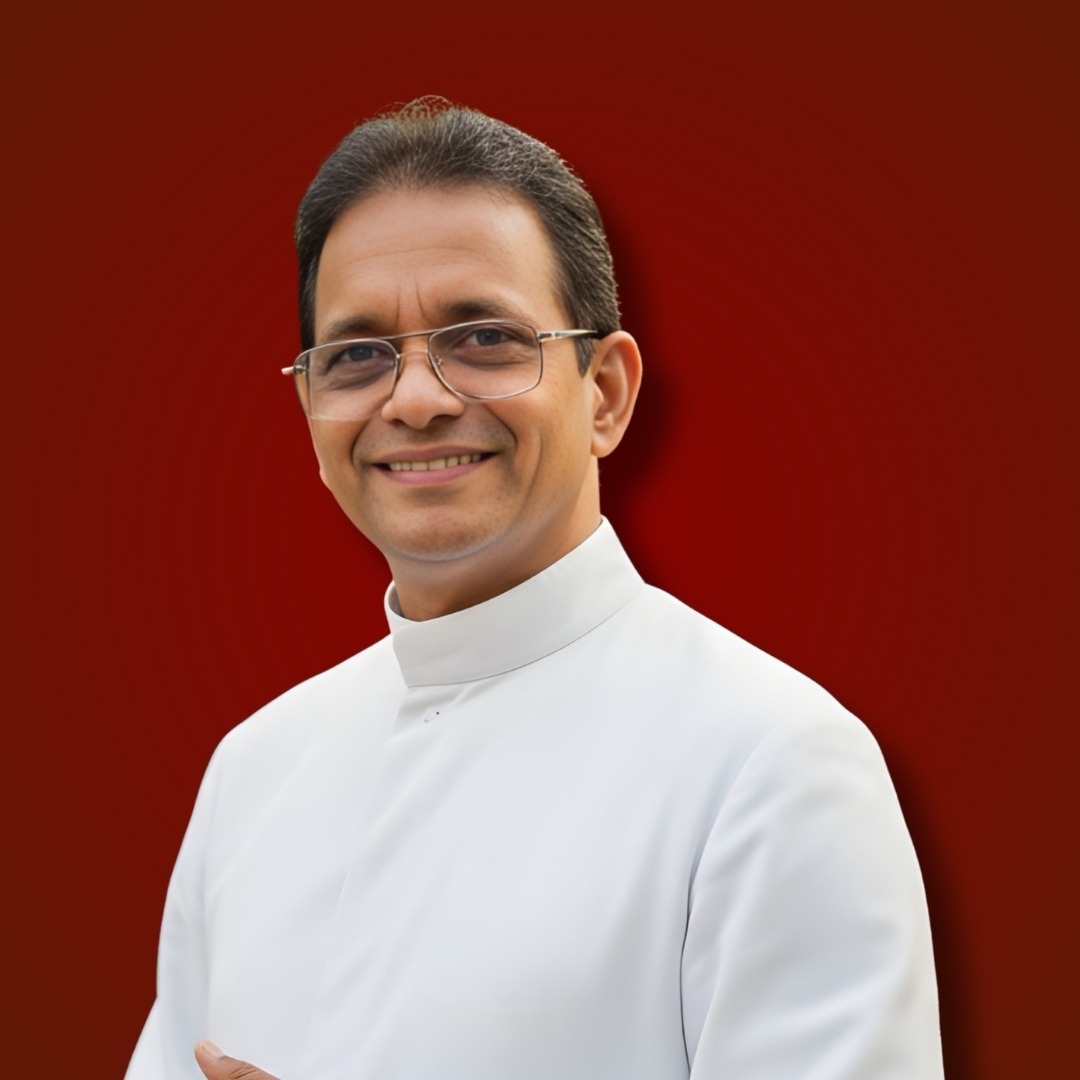
Rev. Fr. Francis Xavier Kalathiveettil
Episcopal Vicar
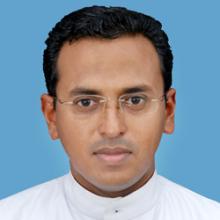
Rev. Fr. Maxon Kuttikkatt
Procurator
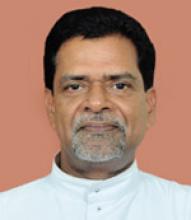
Rev. Fr. Xavier Chirammel
Nominated Members
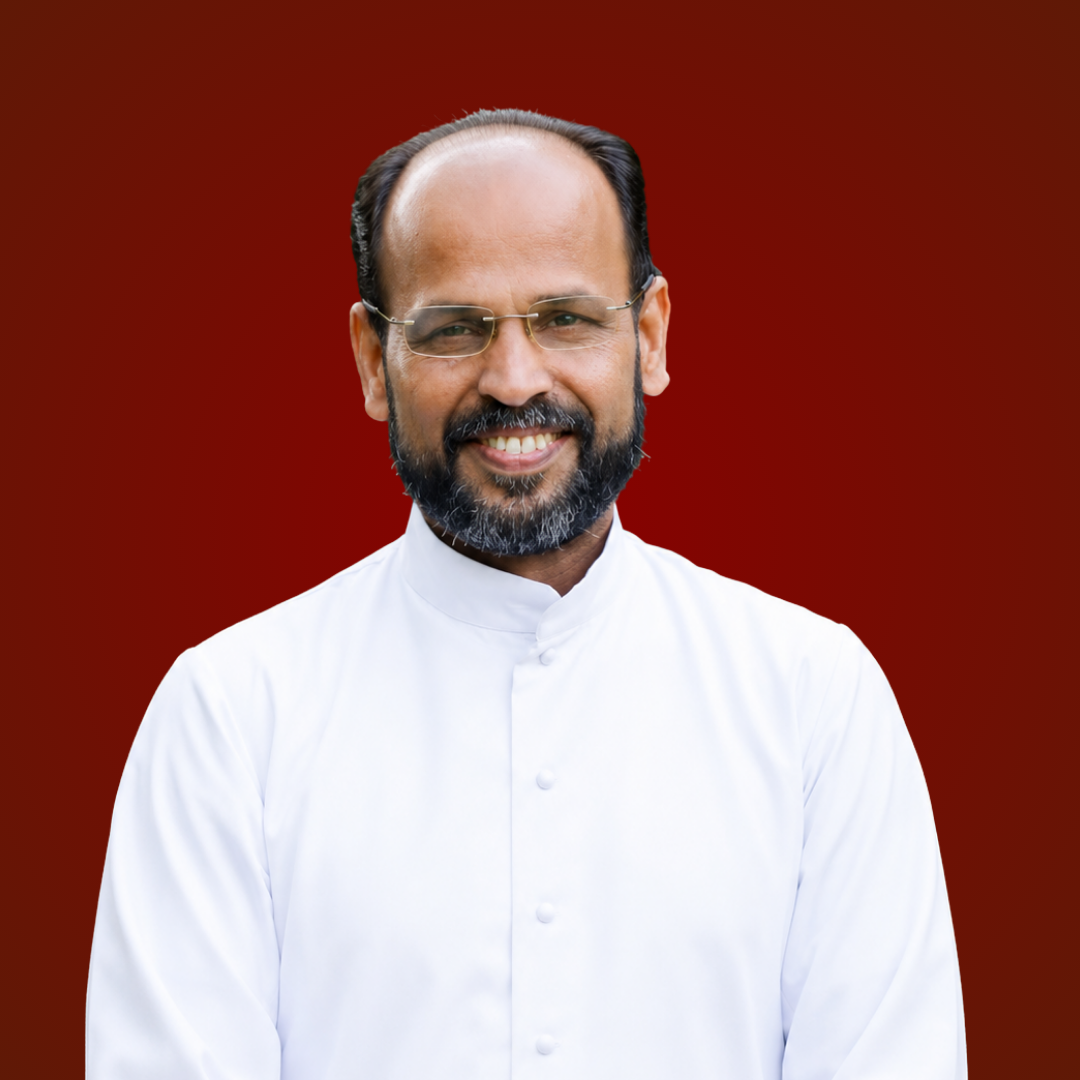
Rev. Dr. Joshy Mayyattil
Nominated Members
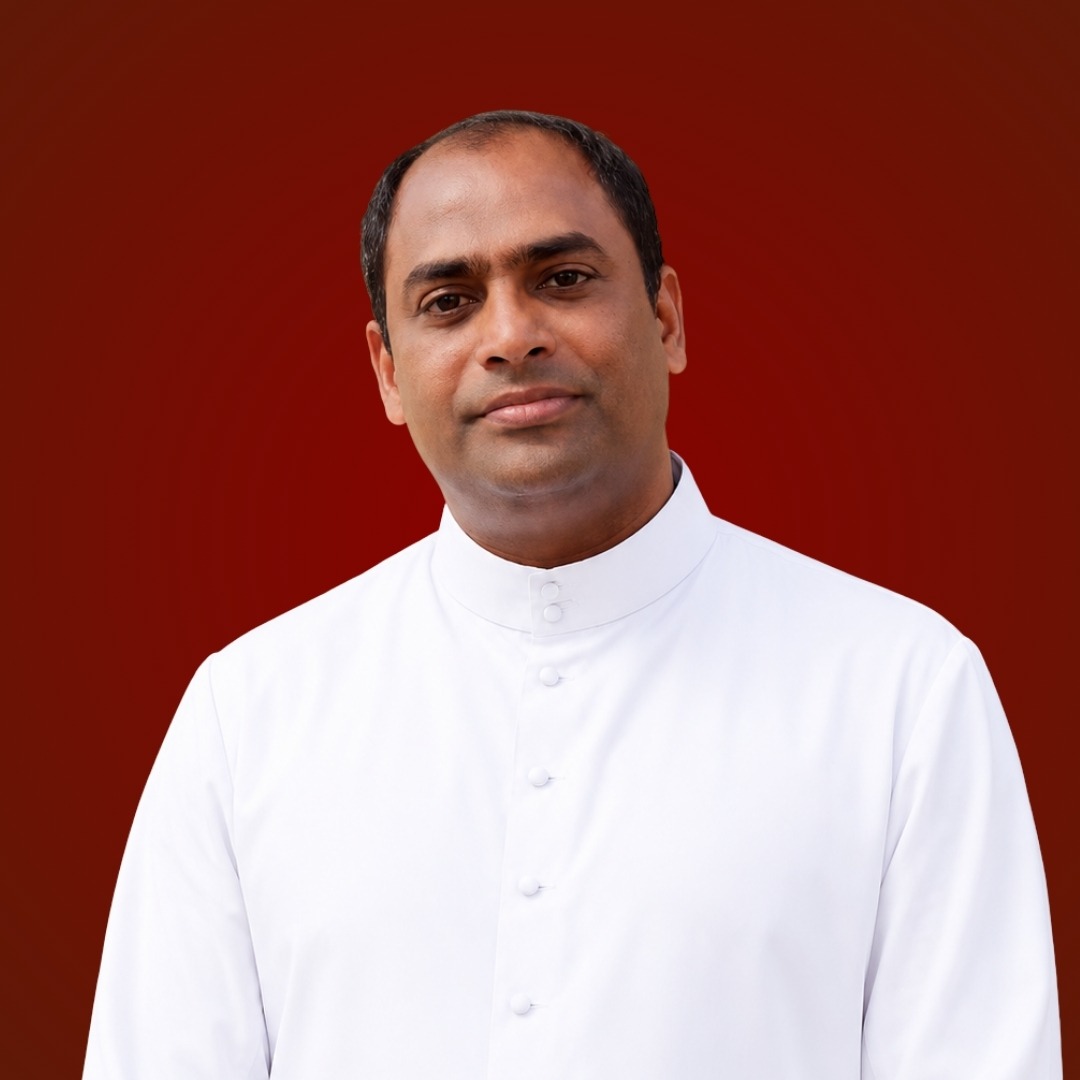
Rev. Dr. Gasper Kadaviparambil
Nominated Members
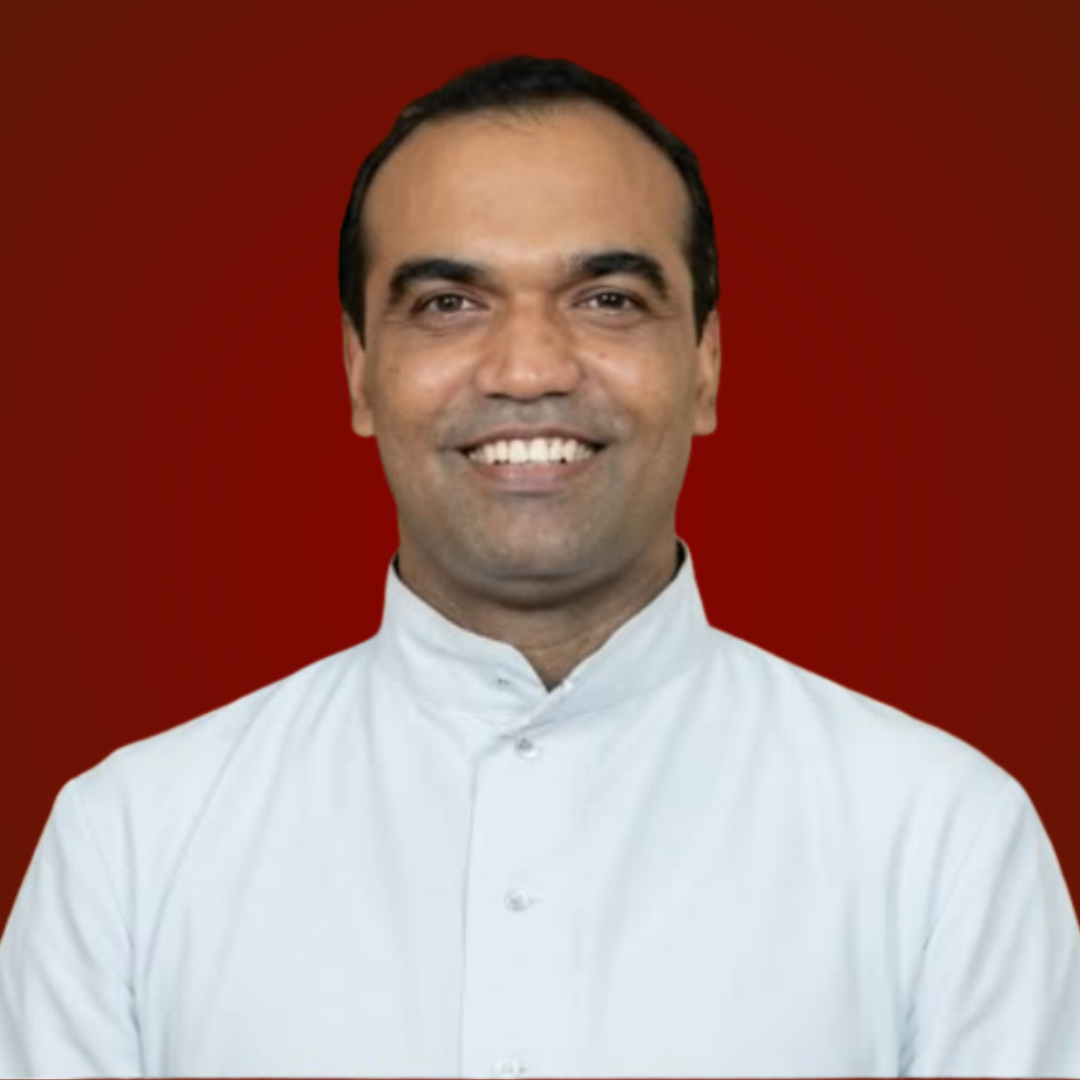
Rev. Fr. Jelson Vellassery
Nominated Members

Rev. Dr. Prince Puthenchackalackal
Nominated Members

Rev. Fr. Rinson Antony Kaliyath
Nominated Members